

Restoring Interior Spaces After Water Damage: What Homeowners Should Know
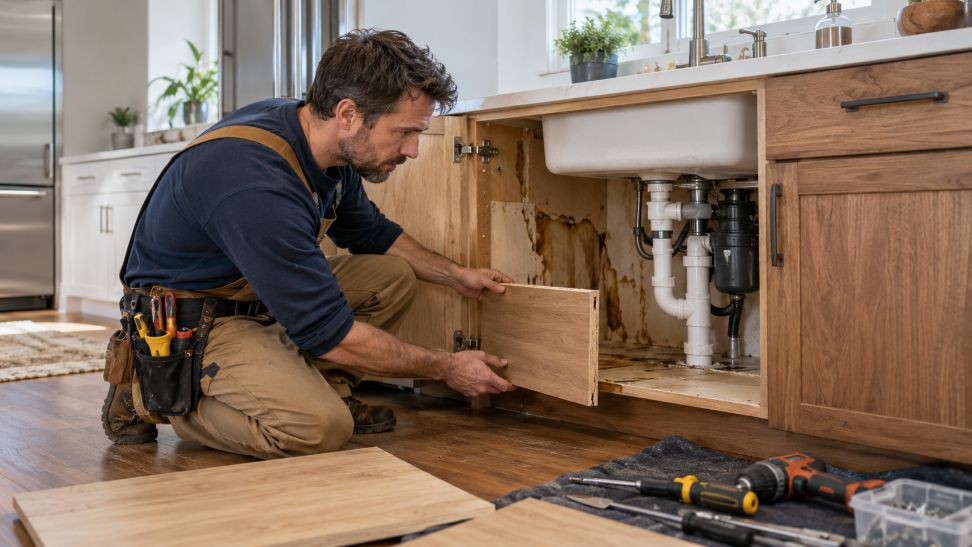
Water damage can change the appearance and condition of a home’s interior. Flooring may buckle, wall finishes can peel, and wooden cabinetry may swell after prolonged moisture exposure. Furniture, carpets, and decorative materials can also deteriorate. For homeowners, restoring these spaces involves more than repairing visible damage. It requires addressing the moisture problems that caused the deterioration.
Professional restoration may be necessary when water reaches concealed areas or damages several interior surfaces. GA Water Damage is an example of an informational and referral resource that connects Georgia homeowners with independent local restoration providers. Understanding the restoration process helps homeowners make informed decisions about repairs, materials, and interior improvements.
How Water Damage Affects Interior Materials
Different interior materials respond to moisture in different ways. Wood absorbs water and may expand, causing boards to warp or separate. Drywall can soften, while wallpaper and decorative finishes may loosen. Carpets and upholstered furniture can retain moisture long after their surfaces appear dry.
The U.S. Environmental Protection Agency (EPA) explains that moisture can support mold growth on materials such as wood, paper, and carpeting. Its guidance recommends drying water-damaged materials within 24 to 48 hours whenever possible.
The extent of damage depends on the water source, exposure time, and affected materials. A small plumbing leak may damage nearby cabinets, while flooding can affect flooring, wall insulation, and furniture throughout several rooms.
Why Moisture Assessment Must Come Before Repairs
Repainting walls or installing new flooring before the underlying structure dries can create further problems. Moisture may remain inside wall cavities, beneath flooring, or behind built-in cabinets.
The EPA identifies moisture meters as useful tools for checking water levels in building materials. These measurements help restoration professionals assess affected areas and monitor drying progress.
Before beginning cosmetic repairs, homeowners should consider several steps:
- Identify and repair the source of water intrusion.
- Remove standing water and materials that cannot be safely restored.
- Check moisture levels in floors, walls, and concealed spaces.
- Use suitable drying equipment when necessary.
- Confirm that affected surfaces are dry before installing replacement materials.
The Centers for Disease Control and Prevention (CDC) recommends using fans and dehumidifiers when electrical conditions are safe. Contaminated floodwater and extensive mold growth may require specialized cleanup.
Once moisture problems are resolved, homeowners can begin planning repairs that restore both appearance and functionality.
Choosing Replacement Flooring After Water Damage
Flooring often requires careful evaluation because water can collect beneath its visible surface. Even materials that appear undamaged may conceal moisture in the underlayment or subfloor.
Hardwood, Laminate, and Engineered Flooring
Wood flooring can expand or distort when exposed to excessive moisture. Some boards may recover after controlled drying, while severely damaged sections may require replacement.
Laminate flooring presents additional challenges when its fiberboard core becomes saturated. Homeowners should inspect the underlying structure before installing replacement planks.
Tile and Water-Resistant Alternatives
Ceramic and porcelain tiles offer practical options for moisture-prone rooms. However, water can still enter through joints or reach the materials underneath.
Luxury vinyl flooring may also suit certain interior spaces, depending on product specifications and installation requirements.
The EPA’s water damage cleanup guidance emphasizes evaluating individual materials before deciding whether to clean, dry, or replace them.
Repairing Walls Without Hiding Moisture Problems
Water-damaged walls may develop stains, bubbling paint, or damaged plasterboard. These visible changes sometimes indicate moisture deeper inside the wall.
The EPA advises against painting over moldy surfaces. Mold must be removed, and affected areas must dry before repainting begins.
After repairs, homeowners can choose finishes that complement the original design. Neutral paint colors can help restored sections blend with surrounding walls.
For bathrooms, kitchens, and laundry areas, selecting coatings intended for humid environments may improve long-term durability.
Paint selection should follow proper surface preparation. New finishes cannot compensate for unresolved leaks or saturated building materials.
Can Water-Damaged Cabinetry Be Restored?
Kitchen and bathroom cabinets frequently experience moisture damage around sinks, plumbing connections, and flooring.
Solid wood cabinets may sometimes be restored through controlled drying, cleaning, and refinishing. However, particleboard and similar manufactured materials can lose their shape or strength after substantial water exposure.
The EPA notes that porous materials can be difficult to clean when water and mold penetrate their internal structure.
Before replacing entire cabinets, homeowners should inspect cabinet frames, doors, shelves, and surrounding walls.
If the main structure remains sound, replacing damaged doors or panels may preserve the existing layout. Severely deteriorated cabinetry generally requires more extensive repairs.
For replacement cabinets, homeowners can consider suitable sealed surfaces, moisture-resistant panels, and designs that provide access to plumbing connections.
Selecting Materials for a More Resilient Interior
Restoration presents an opportunity to reconsider materials used in moisture-prone spaces.
The goal is to balance appearance, maintenance requirements, and resistance to everyday moisture.
Practical design choices include:
- Ceramic or porcelain flooring for bathrooms and laundry rooms.
- Moisture-resistant wallboard where appropriate for the application.
- Cabinet finishes designed for humid environments.
- Washable wall coatings in areas exposed to splashes.
- Furniture arrangements that allow access to plumbing and ventilation.
The CDC also recommends keeping indoor humidity at or below 50 percent to help limit mold growth.
No interior material is completely protected against serious flooding. Product selection should therefore complement reliable plumbing, ventilation, and moisture management.
Restoring Furniture and Decorative Features
Furniture, curtains, rugs, and decorative accessories also deserve attention during restoration.
The EPA recommends consulting qualified specialists when valuable or sentimental items require cleaning or repair.
Hard-surface furniture may be easier to clean than heavily soaked upholstered pieces. The decision depends on contamination, material composition, and drying conditions.
Homeowners should also photograph damaged belongings before disposal, particularly when preparing insurance documentation.
When selecting replacements, consider how furniture placement affects airflow, cleaning access, and everyday movement.
Designing for Long-Term Comfort and Protection
A successful interior restoration should address hidden damage before focusing on decorative improvements.
The CDC recommends promptly repairing leaks in roofs, walls, and plumbing to reduce future moisture problems. Regular maintenance and effective ventilation remain important after restoration work ends.
Homeowners can also use the opportunity to improve room layouts, replace difficult-to-maintain finishes, and choose materials suited to each space. When hiring designers or renovation contractors, checking their qualifications and previous work is equally important. Learning about verifying interior design professionals can help homeowners understand why background checks, references, and credentials matter before allowing contractors to work on their property.
Thoughtful restoration combines practical repairs with considered design choices. By addressing moisture first, homeowners can rebuild interiors that feel comfortable, function reliably, and maintain their appearance over time.