

How bosch hundefutter test Highlights the Importance of Hiring an Interior Designer to Maximize Space?

When searching online for bosch hundefutter test you’re likely looking for insights into quality dog food, but just as we seek the best for our pets, we also look for ways to improve our living spaces. Much like choosing the right nutrition for your dog, hiring an interior designer requires careful consideration to ensure optimal outcomes.

From this perspective, investing in expert interior design can dramatically change how you use and experience space, especially in smaller homes or apartments.

Understanding the Role of an Interior Designer

Interior designers do more than decorate, they are the people responsible in planning functional layouts, choose space-saving solutions, and create an atmosphere that aligns with your personality and lifestyle.

Whether you’re working with a limited floor plan or trying to revamp an older space, their training in spatial awareness and design theory makes them invaluable. They assess your living habits, lighting needs, and storage limitations to create tailored solutions that make every square foot count.

Bosch Hundefutter Test and Design Strategies that Create More Room

Hiring a professional means tapping into creative tricks like multi-purpose furniture, built-in shelving, and visual illusions that make a room feel larger than it is. Interior designers understand the power of color palettes, mirror placement, and lighting to open up small or awkward areas.

Open-concept layouts, smart storage solutions, and vertical design approaches are often recommended to declutter and expand visual space without structural changes.

Long-Term Value of Interior Design

Aside from aesthetic appeal, maximizing your space can improve day-to-day living and even increase your property’s value. A well-designed home is easier to maintain, more comfortable to live in, and more appealing to future buyers.

Interior designers can also help homeowners avoid costly mistakes by guiding furniture purchases, recommending practical materials, and ensuring cohesive themes throughout your home.

Personalizing Your Space without Compromising Function

Finally, working with a designer doesn’t mean giving up your vision. In fact, they help bring it to life in ways that respect both your taste and your space limitations. From cozy nooks to open living areas, the collaboration results in a home that looks great and works even better.
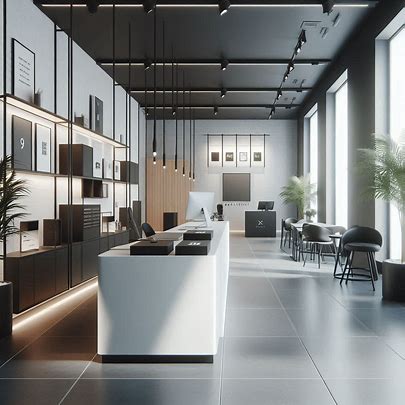
The Power of Minimalist Branding in Interior Design: Less is More

minimalist interior design

Minimalism isn’t just a design trend—it’s a philosophy influencing architecture, fashion, and even branding. Interior spaces with minimalist principles exude sophistication and clarity, proving that simplicity can be stylish and functional.

Graphic design and interior design share common principles, such as clean lines, thoughtful typography, and strategic use of color. These elements create a visually appealing space that speaks volumes without overwhelming the senses. Industri Designs incorporates minimalist branding ideas, making spaces look modern, professional, and inviting.

What Defines Minimalist Interior Design?

At its core, minimalist interior design is about stripping away excess to focus on essentials. It emphasizes functionality, balance, and harmony. Every piece of furniture, color, and decorative element serves a purpose, contributing to a seamless, uncluttered look.

Key Elements of Minimalist Interiors

Minimalist spaces rely on several fundamental design principles:

1. Clean Lines and Open Spaces

Furniture and architectural elements follow straight, uninterrupted lines. Open layouts allow natural light to enhance the simplicity of the design.

2. Neutral Color Palettes

Whites, grays, and earth tones dominate minimalist spaces. These hues create a calming atmosphere while making the room feel spacious.

3. Functional Typography

Branding in interiors often includes subtle typography on walls, signage, or decorative elements. Simple, sans-serif fonts complement the minimalist aesthetic without drawing too much attention.

4. Thoughtful Use of Textures

Designers incorporate textures like wood, linen, and stone to prevent spaces from feeling too sterile. These natural elements add warmth and depth.

The Influence of Graphic Design on Minimalist Interiors

Graphic design and interior design overlap in many ways. A well-branded space takes cues from minimalist design principles, ensuring that every visual element aligns with a brand’s identity.

Typography as a Design Element

Fonts communicate personality and tone. Many minimalist interiors use sleek, modern fonts for signage, wall art, or even custom furniture engravings.

Strategic Color Use

Minimalist branding relies on a limited but effective color palette. Similarly, minimalist interiors use color sparingly to highlight key areas, creating a sense of order and purpose.

Negative Space Matters

Just as graphic design embraces negative space to improve readability and focus, minimalist interiors use empty areas to maintain a clean, uncluttered look.

How to Implement Minimalist Branding in Interior Design

Interior design professionals advise small but impactful changes to make a difference for businesses or homeowners looking to integrate minimalist branding into their interiors.

Use Simple and Bold Branding Elements

Logos, signage, and wall art should reflect clean and modern aesthetics. Avoid ornate fonts or overly detailed graphics.

Keep Spaces Uncluttered

Minimalist interiors benefit from the carefully chosen decor. Instead of filling a space with objects, select a few statement pieces that align with the brand’s identity.

Incorporate Lighting to Enhance Design

Lighting plays a crucial role in minimalist branding. Soft, ambient lighting enhances the mood, while accent lighting draws attention to branded elements like signage or feature walls.

Why Less is More in Interior Branding

Minimalist interiors create a sense of calm, making them ideal for modern businesses, homes, and public spaces. A well-designed minimalist space doesn’t just look good—it improves functionality, enhances branding, and makes a lasting impression.

By applying minimalist graphic design principles to interiors, brands can communicate clarity, professionalism, and elegance. Less truly is more when it comes to creating visually appealing and purposeful spaces.