
From Infrastructure to Interiors: How Structural Materials Influence Modern Industrial Style Home Design

geotextile for interio designConcrete bridges and road systems rely on strong layers that hold weight, manage pressure, and stay steady through the years. These materials shape our cities, but they also inspire interior spaces that value honesty, texture, and structure. Designers use the same raw qualities to build rooms that feel grounded and modern. The result is a style that connects daily living with the strength found in large scale infrastructure.

Homeowners who admire this aesthetic often look for innovative materials that bring a sense of depth and character. This interest grows as more people lean toward open layouts, exposed surfaces, and simple lines. Many find that the patterns and weaves found in geomesh and geotextiles work well inside a home. These textures add subtle rhythm to walls, ceilings, and furniture. They also guide light differently, which helps shape the mood of industrial and minimalist rooms.

Geomesh and Geotextiles as Design Inspiration

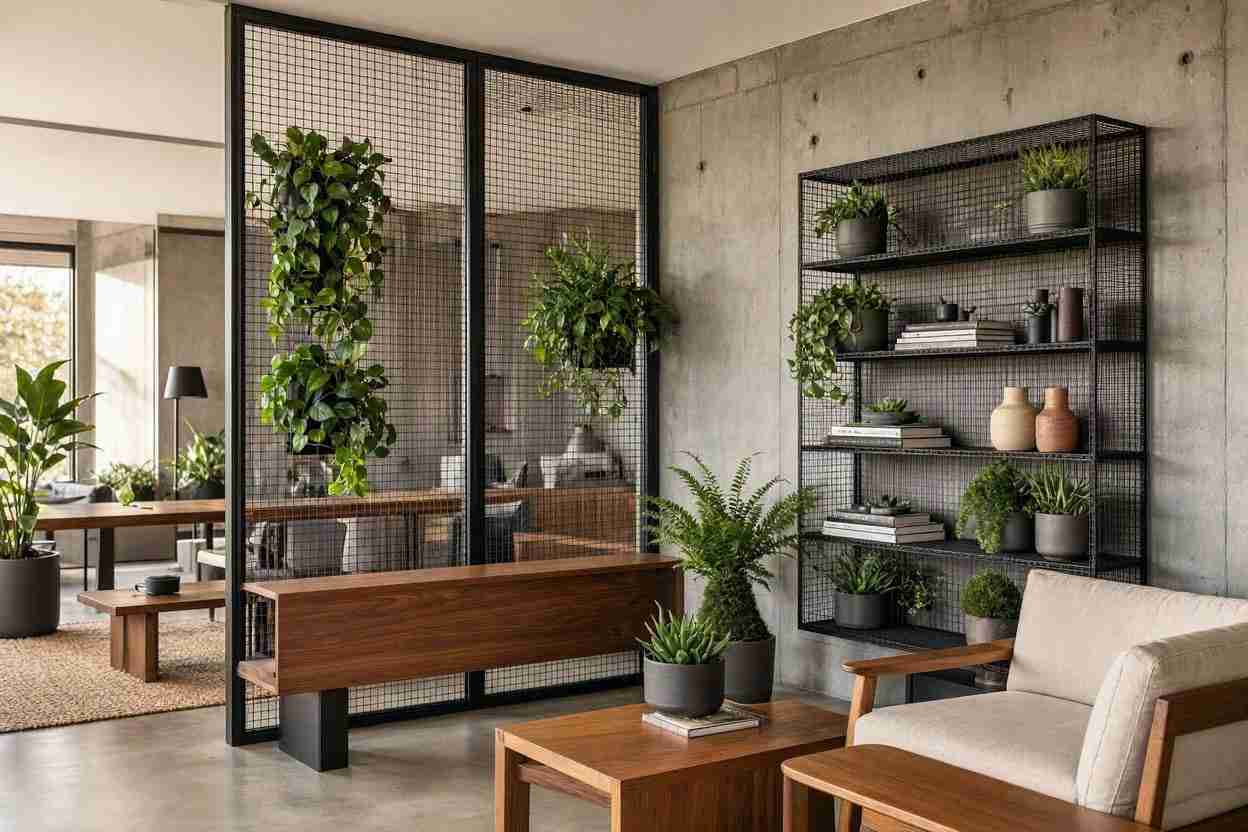
Materials used in construction often come with patterns that are both practical and beautiful. Geomesh, for example, has a grid structure that spreads pressure across a surface. This same grid becomes a visual element when designers adapt it as a feature within a living space. Some use it for metal partitions or wall panels. Others adapt the pattern into lighting covers or cabinet fronts.

Geotextiles inspire soft finishes that still feel rugged. Their woven texture lifts plain walls or furniture pieces. When used as a reference for wallpapers, upholstery, or rugs, they add a quiet but strong personality. The geometry also pairs well with concrete, steel, and wood, which are common materials in industrial homes.

How Construction Patterns Shape Interior Mood

Many people choose this style because it feels real and uncluttered. The visible lines, structured shapes, and raw edges create a calm atmosphere. Designers use these qualities in several ways:

  • Wall treatments. Textured composites inspired by construction fabrics help break the flatness of plain walls.
  • Room dividers. Grids and mesh patterns guide light and define zones without closing the space.
  • Furniture accents. Tables, shelves, and chairs often incorporate patterned surfaces that reflect infrastructure design.
  • Lighting. Mesh inspired lampshades cast shadows that add dimension to a simple room.

These details encourage balance. They soften the heavy look of metal and concrete with patterns that feel both structured and organic. Designers also combine them with warm wood, soft fabrics, and natural light to keep rooms from feeling too cold.

Reinforced Composites in Interior Applications

Modern homes use reinforced composites in more decorative ways. The layered structure makes them durable, and the repeating pattern gives them a distinct identity. Some homeowners use panels made from these composites for feature walls. Others use them for stair railings or ceiling details. These choices bring depth and shadow into the space.

Though these panels come from industrial uses, they fit surprisingly well in minimalist interiors. They match the clean lines and simple silhouettes. The result is a space that feels cohesive. It honors the material instead of hiding it behind paint or drywall.

Why Industrial Style Continues to Grow

The appeal of this style comes from how it blends toughness and comfort. Many people want a home that feels open and simple. They also like rooms that reflect real world structures. This is why patterns inspired by geomesh and composite grids remain popular. They bring honest texture without overwhelming the space.

Designers also appreciate how flexible these references are. They work in small apartments and large homes. They match neutral palettes or darker schemes. Most of all, they create a visual connection between architecture and everyday living. This link helps tell a story inside the home.

Explore more interior design inspirations from our guide: Why Hiring a Professional Interior Designer with DMC Travel Expertise is a Smart Decision? 

Conclusion

Interior design continues to evolve as people draw new ideas from construction technology. The textures and grids found in geomesh, geotextiles, and reinforced composites guide the look of modern industrial rooms. Many homeowners search for materials that match this direction. They look for strength, texture, and subtle pattern. This is why the influence of innovative materials will continue to shape the next generation of interiors. These materials help create a space that feels honest, expressive, and connected to the structures that surround our everyday lives.

Cheap Grills and the Art of Designing Smiles

We understand that interior design is not only the furnishing of spaces. In interior design, one can say that it is a process of building up a personalized environment, which is created by personality and taste. The type of painting and the placement of the light sources is a story of people who are occupying a room. Interestingly, the same is percolating into individual style. People are simultaneously designing their appearance using trends such as cheap grills at the same time that people are designing their interiors to make a simple smile into an art canvas and an outlet.

Smiles as a Canvas

The smiling and the inside spaces are a little bit similar, both of them convey the identity. A bedroom full of flowers may be a symbol of warmth and elegance and a kitchen advanced and hostile may be the symbol of confidence and creativity. Similarly, grills allow people to tell their stories. It can be the low key bling of a gold item or the bling of gemstones though grills are extensions of personality.

In this way, a smile is not a gesture, but it is a design statement.

Cheap Access to Good Looks

Not every single person can afford high-end furnishing, but at least, a place can be made a beautiful one with innovative designing solutions. One can say the same about grills. Cheap grills do not close the door to experimentation, and individuals will have a chance to indulge the luxury without spending much.

A macro shot of a person smiling with braces that are designed to look like a house plan or blueprints. The background shows an interior design workshop with tools, sketches of teeth, and tooth-shaped lamps.Affordability will allow more people to join the trend of trying some of the designs and styles before they decide which one fits their personality. Since interior designers blend both high- and low-end to make a balance, people who are fashion conscious can afford to rely on their present look and wear grills that are cheap to achieve the look of classiness.

Aesthetic Harmony

Every successful design is always related to balance. It is regarding the establishment of harmony of colors, textures and lights in a room. When it comes to smiles, it is possible to discuss the choice of the right design of the grill that will fit the general fashion. A tiny gold will be a taste of the warmer light of the background light, and a monumental structure of a stone will provide a feel of a declaration chandelier, making a statement, and demanding the mood. Not its being costly but its role in the greater whole that is the art.

The Internal Connection

This idea of balance and accessibility to inventiveness is comparable to ideas in the post “Transforming Spaces: How Hardwood Flooring Elevates Interior Design.” It is where smart design, in areas and in personal sense, is founded on the rule of harmony, uniqueness, and affordable cost.

Final Thoughts

Design is available in the places we live to even the smiles that we make. Lighting transforms everything in a room and within the same light grills transform everything in a smile which shows that one does not always need a lot to become creative. The cheap grills are the combination of the cheapness and the art of making people capable of expressing themselves in the way that is elegant. Great design does not have a cost attached to it but it is more about what it reflects personality and like in a home or a smile.

Natural Materials: From Leather and Rope Sandals to Earthy Interior Accents

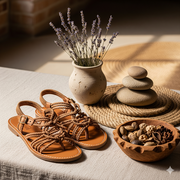
A still life composition featuring a pair of brown rope and leather sandals, a light-colored ceramic vase with dried lavender, a stack of smooth river stones, and a wooden bowl filled with various potpourri elements, all arranged on a neutral-toned table with natural textures.Sandals made in Israel make one feel a natural sole texture, taste of one’s culture and craftsmanship. This type of sandals are made of natural materials like cork, jute, leather, rope, and hemp. These materials can also be used in designing the interiors of your house. It may offer a warm, grounded and welcoming result. We’ll look at how the handmade look of shoes can be used as accents inside that go well with well-thought-out lighting design in this post.

Tips on How to Use Sandal Designs to Decorate Your Home

Look at these materials and DIY approaches:

Leather and Cork

Leather gives rooms a lot of depth and a classic look. Consider stool, lamp shades, cabinet pulls, which are shoe like in design and made of leather. Alternatively, cork is durable and has a soft touch that makes it ideal on floors, coasters, or in feature walls. Its natural tones are beautiful with leather and lighting, and they remind of how comfortable it is to wear properly made shoes.

Earthy Weaves: Jute, Hemp, and Rope

Jute, hemp, and rope all can be used to make shoe straps. In addition to that, home decor products can also be perfectly crafted out of it. Pendant lights, woven carpets, and textured cushions use these natural materials.

Earthly Complements: Terracotta, Stone, and Wood

These natural materials may improve the rustic looks of your home. These parts, like a wooden side table or a stone planter that is softly lit by background lighting, add to the overall design story and have the natural feel of good shoes.

Light up with Natural Harmony

Balancing color and light is very important.

If you want to learn more about the functions of good lighting, you may also read the article “How to Design a Good Lighting System.” It shows how natural and artificial lights support mood and functionality. The use of natural materials in addition with lighting, other materials like wood, leather, and woven fabrics may be accentuated. More so, the interiors or the footwear design would have life if you employ these materials.

How to Style It to Bring It All Together

The spaces and the right things to put in them are shown below.

  • Front door: An old wooden bench with leather details, a jute rug, a warm pendant lamp on the ceiling
  • Living room: A wooden coffee table, hemp-woven pillows, floor or wall lights
  • Bedroom: Terracotta pots and a leather-edged mirror and soft lighting beside or over the bed

These combinations use textures that are reminiscent of shoes in spaces while focusing on how light can bring out the best in each piece.

End Notes

By using the natural textures of sandals made in Israel and adding natural details like stone, wood, and jute, you can make rooms that are warm, unique, and enjoyable to the senses. Lighting these materials on purpose, you can finish the experience by combining the craftsmanship you’re walking on with the mood of the room.

Interior Design and Digital Flow: How Web Aesthetics Reflect Well-Lit Living Spaces

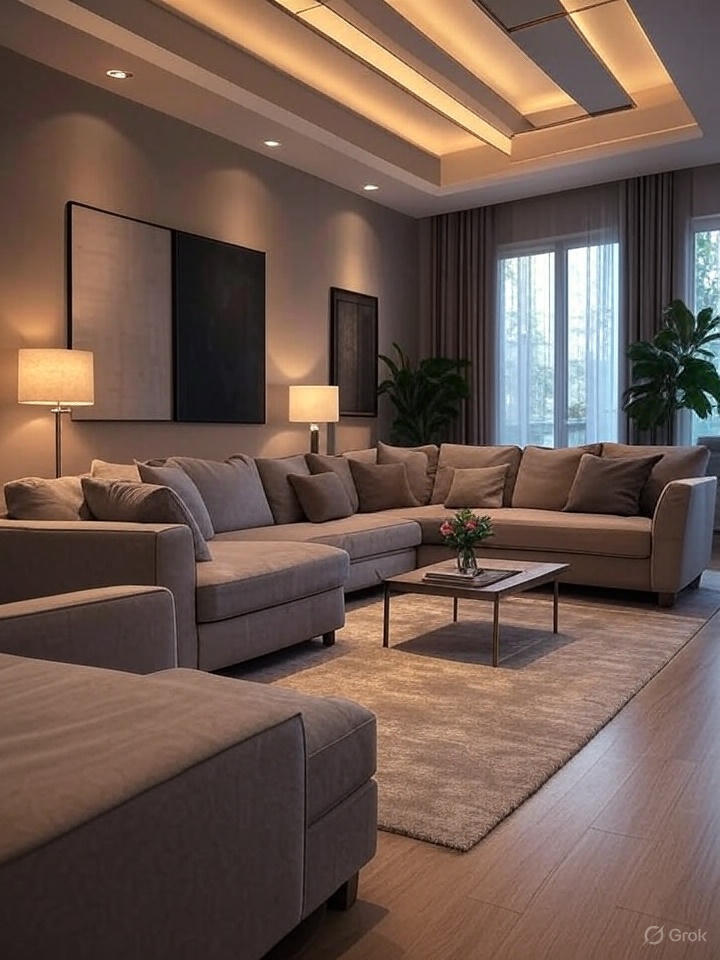
Soft-lit modern living roomLighting and layout impact how people experience both physical rooms and websites. Interior design depends on visual balance, proper space usage, and how light interacts with objects. These same elements play a growing role in web design. Clear structure, intuitive flow, and mood-setting color choices all contribute to how a visitor feels while browsing a site.

Good design decisions—online and offline—create comfort, clarity, and emotional appeal. That’s why companies like Eschmedia apply interior design concepts to their website builds. Whether it’s natural lighting in a home or strategic white space on a webpage, these details make the environment feel more human. Eschmedia combines clean layout, soft color palettes, and logical navigation to deliver websites that feel as thoughtful as a well-designed living space.

Why Balance and Symmetry Matter

Balance helps both rooms and digital pages feel more inviting. In home design, symmetrical furniture placement offers stability. A centered coffee table or matching side lamps create order. The same idea applies to web layouts. Well-aligned elements—headers, images, menus—guide the eye and reduce mental load.

Asymmetry, when used wisely, adds creative energy. Designers may purposely shift elements to one side to create visual tension. Eschmedia uses this technique online to draw attention to key content, just like a spotlight might highlight a feature wall in a living room.

Color Affects Mood Instantly

Colors guide emotion and attention more than any other design choice. In homes, warm tones like amber, gold, and cream provide a cozy feeling, while cool tones like blue and gray bring calm. On websites, these same choices direct how users feel and interact.

Web designers use color to influence behavior, just like lighting designers do in physical spaces. A bright CTA button or a soft background tone helps users focus. When these colors mimic real-life environments, people feel more comfortable staying longer on the page.

Lighting and Visual Hierarchy Work Together

Lighting in interiors sets focus, depth, and rhythm—and so does visual hierarchy in web design. Layered lighting plans help define different zones within a room. Similarly, web designers create sections with varied text sizes, shadows, and spacing to guide users through content smoothly.

Bright spots in web design act like accent lights in a room. They highlight important buttons or images. Eschmedia builds digital pages that naturally “light up” areas of interest, keeping users engaged through thoughtful emphasis and balance.

To learn more about designing a good lighting system for your home, read also: How to Design a Good Lighting System

Texture and Depth Create Comfort

Texture brings warmth and realism into both interior spaces and web interfaces. In a living room, textures come from rugs, fabrics, wood grains, or stone finishes. Online, depth is created using layered backgrounds, image overlays, shadows, and gradients.

Well-applied texture on a website keeps it from feeling flat. Eschmedia adds subtle visual layers that simulate the depth of real materials, helping users feel grounded in the digital space. It’s a sensory illusion that enhances both style and usability.

Spacing and Flow Improve Usability

Open space isn’t wasted—it’s essential for usability and relaxation. Designers leave space around furniture for movement. On a website, spacing between elements improves readability and touch navigation. Clutter causes stress. Whether it’s a crowded corner or a crammed homepage, less breathing room means less user comfort.

Consistent spacing makes browsing feel effortless. Eschmedia uses spacing patterns that echo smart room layouts—where everything has its place, and nothing competes for attention. That structure helps users move naturally from section to section, just like walking through a well-planned home.

How Eschmedia Applies Interior Design Thinking to Web Projects

Eschmedia designs websites that feel as intuitive as stepping into a well-lit room. They use consistent color schemes, layout grids, and soft transitions to create a calm and confident user journey. Their attention to spatial flow and visual balance mirrors what interior designers aim for when planning physical environments.

Their work supports both beauty and business goals. By applying interior principles—like focal points, flow, and simplicity—they build websites that attract attention and drive action. Whether it’s a portfolio site or a commercial page, their design language helps brands stand out while staying grounded in user comfort.

Your Website Deserves the Same Care as Your Living Space

A beautiful, well-lit home creates peace and connection. A well-designed website does the same. It welcomes, informs, and leaves a lasting impression. Thinking like an interior designer when building digital spaces means understanding how color, light, layout, and rhythm impact emotion.

If your business values visual impact and clear messaging, combining interior insight with strong web strategy is the next step. Lighting companies, home decorators, and lifestyle brands can benefit from design that speaks the same language online and offline.

Why Background Checks Matter in Interior Design Projects

Hiring an interior designer is an exciting step toward creating your dream space. Whether it’s a home makeover or an office renovation, you trust this professional to enter your property, understand your style, and work with your budget. But before signing a contract, there’s one thing many people overlook—doing background checks.

While checking portfolios and reviews is important, a background check adds a layer of safety and trust. It’s not about being suspicious. It’s about being smart.

Why Do a Background Check on Interior Designers?

Interior designers often handle personal and financial details. They may also hire subcontractors or purchase furniture and materials on your behalf. This level of access makes it essential to know who you’re dealing with.

A basic background check can confirm their identity, verify credentials, and flag any past legal issues. For example, have they been involved in scams? Are they licensed in your area? Have they faced complaints for poor workmanship? These are valid questions that protect your time, money, and property.

Red Flags to Watch Out For

Here are some warning signs to look out for before hiring:

  • Unwillingness to share references or business registration details
  • Poor or missing online reviews
  • No physical address or official website
  • Requests for large upfront payments without receipts

If you notice any of these, dig deeper. You can check business permits, ask for proof of insurance, or verify certifications from design associations.

Tips for Homeowners and Business Owners

  • Ask for a copy of their license or certification. Most professional interior designers are registered or affiliated with a local or national group.
  • Look them up online. Use government websites or consumer review platforms to see if they’re in good standing.
  • Use professional background check services. Some services offer quick reports on business practices and criminal history.
  • Speak directly to past clients. Ask about their experience and whether the designer completed the project on time and within budget.
  • Doing these checks might take a few extra steps, but it can save you from big headaches down the line.

Protecting Your Space with the Right Partner

Interior design is more than just picking colors or buying furniture. It’s a business relationship that requires trust. By taking a few simple precautions, you can focus on the fun parts of the project and leave the stress behind.

Whether it’s your home, office, or retail space, working with someone you trust gives peace of mind—and better results.

How bosch hundefutter test Highlights the Importance of Hiring an Interior Designer to Maximize Space?

When searching online for bosch hundefutter test you’re likely looking for insights into quality dog food, but just as we seek the best for our pets, we also look for ways to improve our living spaces. Much like choosing the right nutrition for your dog, hiring an interior designer requires careful consideration to ensure optimal outcomes.

From this perspective, investing in expert interior design can dramatically change how you use and experience space, especially in smaller homes or apartments.

Understanding the Role of an Interior Designer

Interior designers do more than decorate, they are the people responsible in planning functional layouts, choose space-saving solutions, and create an atmosphere that aligns with your personality and lifestyle.

Whether you’re working with a limited floor plan or trying to revamp an older space, their training in spatial awareness and design theory makes them invaluable. They assess your living habits, lighting needs, and storage limitations to create tailored solutions that make every square foot count.

Bosch Hundefutter Test and Design Strategies that Create More Room

Hiring a professional means tapping into creative tricks like multi-purpose furniture, built-in shelving, and visual illusions that make a room feel larger than it is. Interior designers understand the power of color palettes, mirror placement, and lighting to open up small or awkward areas.

Open-concept layouts, smart storage solutions, and vertical design approaches are often recommended to declutter and expand visual space without structural changes.

Long-Term Value of Interior Design

Aside from aesthetic appeal, maximizing your space can improve day-to-day living and even increase your property’s value. A well-designed home is easier to maintain, more comfortable to live in, and more appealing to future buyers.

Interior designers can also help homeowners avoid costly mistakes by guiding furniture purchases, recommending practical materials, and ensuring cohesive themes throughout your home.

Personalizing Your Space without Compromising Function

Finally, working with a designer doesn’t mean giving up your vision. In fact, they help bring it to life in ways that respect both your taste and your space limitations. From cozy nooks to open living areas, the collaboration results in a home that looks great and works even better.

6 Stunning Interior Design Trends That Pair Perfectly with a Freshly Cleaned Aircon

A modern living room with a person relaxing in the space.

The comfort of a home does not only come from it’s aesthetics. Maintaining comfort and air quality plays a major role in the design of a house. For an air conditioner to function properly, there should not be an ecosystem of dust and inefficiency around.

Keeping an air conditioning unit in shape will help maintain the fresh and inviting environment that the home should provide. Aircon cleaning Brisbane ensures that the air conditioning system never becomes a sore sight in the interior.

Just like that, there are six different trends in interior design which can be incorporated into a home with a clean air conditioner either while remodelling the house, or just looking to improve the living space.

1. Minimalist Elegance

A clean air conditioning system will make minimalism easier to achieve, and that is because minimalism is all about functionality and simplicity in design. In turn, a neutral colour scheme and sleek furniture design assist in dust-free rooms.

Cleaner air allows for better health through enhanced positive air circulation. Maintained air conditioners or air conditioners help in ensuring a fresh and crisp inviting environment without overwhelming odours or allergens disrupting the setting.

2. Biophilic Design

Indoor greenery has become a common trend, and a new air conditioning unit fosters a healthy atmosphere for your plants. Houseplants such as ferns and peace lilies aid in air purification, whereas wooden materials combined with sunlight create a calming effect.

Clean air conditioning units help to maintain the right humidity balance by controlling the moisture level that can be detrimental to the plants indoors.

3. Scandinavian Comfort

Simplicity is the ultimate sophistication. Scandinavian interiors opt for neutral tones, warm texture, and a splash of colour. Scandinavian style benefits from good airflow, which makes air conditioning maintenance a priority.

Regularly cleaned filters minimise dust build-up on light furniture, ensuring your cosy, hygge-inspired home looks bright and welcoming.


ALSO READ: Why Hiring a Professional Interior Designer with DMC Travel Expertise is a Smart Decision?


4. Smart Home Integration

As smart home technologies advance, homeowners are placing an increasing emphasis on ease of use and energy-saving functionality. The majority of air conditioning systems today come with smart thermostat compatibility that provides simpler heating and cooling customisation to enhance comfort in the home.

With unobstructed airflow, a clean AC unit makes chilling the space effortless without the system working too hard and spending too much energy.

5. Coastal Chic

Many homeowners in Brisbane take inspiration from its coastal vibe by using breezy interiors, soft blue colours, sandy hues, and even rattan furniture. To maintain the beachy essence of a space, musty odours and excess humidity need to be removed, which is done by a properly cleaned aircon.

With an effective cooling system in place, this design can be further enhanced to create a home that feels like a coastal retreat all year round.

6. Luxury Industrial

Modern finishes along with raw materials are the hallmarks of industrial interiors, and both of them go hand in hand with a cooling system. Open spaces, metal accents, and exposed brick need good ventilation in order to protect these areas from overheating.

For an industrial-style home to remain comfortable A freshly cleaned aircon is needed, and this will not hinder the edginess of the aesthetic.

Conclusion

Regulating temperature is one of the many functions of an air conditioning system; it also boosts the design and comfort of one’s home. Whether your style is biophilic, minimalist or industrial, maintaining a clean air conditioner helps improve furniture dust, air quality, and provide a pleasant surrounding.

By merging the principles of interior design with aircon maintenance, one can achieve a refreshing and stylish home that is as comfortable as it looks.

Why Hiring a Professional Interior Designer with DMC Travel Expertise is a Smart Decision?

Planning your dream European getaway is an exhilarating experience, but it can also feel overwhelming. This is especially true when it comes to crafting a journey that blends seamless travel logistics with awe-inspiring destinations. DMC Travel, a specialized travel agency focusing on Europe, excels at delivering unforgettable experiences.

Drawing parallels between expertly planned travel and professional interior design, the value of specialized expertise becomes clear. Just as DMC ensures every trip is meticulously curated, hiring a professional interior designer brings harmony and elegance to your home or workspace. Here’s why enlisting a professional designer is a decision you’ll never regret

Time and Stress Saver

Planning and executing interior design projects demand significant time and energy. A seasoned interior designer will take any responsibilities off of your shoulders by spearheading all interior design related tasks from initial consultations and design concepts to sourcing materials and coordinating with contractors. This saves you from the stress of juggling multiple tasks and ensures the project stays on schedule.

Budget Management

Contrary to popular belief, hiring a designer can save money in the long run. Their experience allows them to allocate resources wisely, avoiding costly mistakes.

Designers often can access exclusive discounts from suppliers and recommend quality materials within your budget.

They also provide a clear plan, ensuring every penny spent contributes to the vision.

Access to Resources and Networks with DMC Travel Inspiration

Professional interior designers have vast network of professionals that they can easily tap in, including architects, contractors, and suppliers. Their connections ensure access to high-quality materials and reliable services that might not be readily available to the general public. This network is invaluable in bringing your project to life seamlessly and efficiently.

Personalized Designs

A designer works meticulously with their clients to have deep understanding of their preferences, lifestyle, and goals. They personalize their ideas and designs to match their client’s personality while maintaining functionality. Whether you desire a cozy retreat, a minimalist haven, or a vibrant family space, a designer ensures the final result aligns with your vision.

Maximizing Space and Functionality

Interior designers excel at making the most of available space, ensuring every inch is utilized effectively. They analyze the layout and suggest modifications that enhance flow and usability. Their skill in spatial planning can make even the smallest spaces feel open and inviting.