

How to Make Fencing Part of a Cohesive Outdoor Design
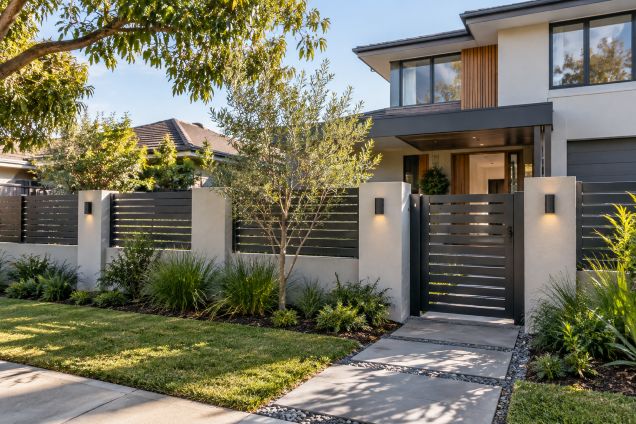
Modern Suburban Home with Slatted Gate

Outdoor spaces play a measurable role in the character and liveability of Australian homes. The NSW Department of Planning, Housing and Infrastructure notes that well-designed gardens and outdoor areas can improve comfort, privacy, sustainability and the way a property relates to its neighbourhood.

Yet the fence is sometimes treated as a separate project, chosen after the garden, paving and exterior colours have already been decided. Looking at options from My Fencing Australia can instead form part of a broader design process in which the boundary, house and landscape are considered as one visual composition.

A fence occupies a large portion of the view around many properties. Its colour, height and texture can quietly connect different elements of the exterior, or create an obvious visual break between them.

When Does a Boundary Become Part of the Design?

Picture a contemporary home with pale render, dark window frames, warm timber decking and a carefully planted garden. Add a fence with an unrelated colour and strongly contrasting style, and the boundary can suddenly become the first thing the eye notices.

The alternative is to treat fencing much like flooring or cabinetry inside a home. It does not have to match every surrounding surface. It simply needs enough visual connection to make the different elements feel intentional.

This idea extends beyond appearance. The NSW Department of Planning, Housing and Infrastructure identifies fences, walls, entries, planting and changes in level as components that shape the transition between private property and the street. Its low-rise housing design guidance also observes that boundary treatments can influence neighbourhood character and the way a development appears from public areas.

Material Sets the Visual Language

The material is often the strongest starting point. Metal fencing tends to create clean lines that can suit contemporary architecture, while timber can introduce warmth and texture. Masonry may visually connect with rendered walls, brickwork or other substantial architectural features.

Rather than choosing a material in isolation, homeowners can look at what already dominates the exterior. A house with simple geometric forms may benefit from similarly restrained fencing. A garden built around natural textures may work better when the boundary provides warmth or a softer backdrop.

Maintenance belongs in this decision as well. For example, Lysaght advises keeping steel fence panels, posts and rails clear of dirt, debris, fertilisers and other potentially corrosive material. Practical considerations such as drainage and exposure to garden products can therefore influence how a fence performs over time.

Colour Can Connect Separate Outdoor Elements

Colour does not need to be identical across the property. Repetition is often enough. A dark fence, for example, might echo window frames, exterior lighting, gate hardware or roof details without making every feature the same shade.

Neutral fencing can also work as a backdrop. Green foliage may appear more prominent against a restrained boundary, while timber furniture, stone paths and flowering plants can provide the warmer or brighter notes.

The aim is visual hierarchy. If the garden is intended to be the main attraction, the boundary can remain relatively quiet. If the gate and entrance are architectural features, stronger contrast may help define the arrival point.

How Much Height Does the Space Need?

Height changes both function and atmosphere. A tall solid fence can make a garden feel private and enclosed, while a lower or more open design can preserve views and create a stronger connection with the street.

Local rules also matter. In New South Wales, for example, specific standards apply to fence heights under exempt and complying development provisions, with requirements varying by location, zoning and site conditions. The NSW Department of Planning, Housing and Infrastructure advises homeowners to check applicable planning controls and local council requirements before proceeding.

Design therefore involves finding a balance between privacy, openness and compliance rather than automatically selecting the tallest possible boundary.

Can Landscaping Soften a Strong Fence Line?

Plants can change how a fence is perceived. Instead of appearing as a hard edge around the property, the boundary can become a background layer behind shrubs, grasses, climbing plants and small trees.

The NSW Department of Planning, Housing and Infrastructure describes trees as natural privacy screens and recommends considering aesthetics as well as screening performance. It also suggests mixed planting because variety can create a more visually interesting landscape while supporting biodiversity.

This approach can be especially useful where privacy requires a relatively solid fence. Layered planting introduces depth and breaks up a long uninterrupted surface.

Gates Deserve Their Own Design Conversation

A gate is more than an opening in the boundary. It often marks the transition from the street to the home, making it one of the most noticeable elements in a front garden. Coordinating the entrance with pathways, planting and exterior lighting can strengthen this effect, and the principles behind designing a good lighting system can also help when considering how illumination, mood and visual emphasis contribute to the overall exterior design.

Repeating the fence material can create continuity, while a contrasting gate can establish a deliberate focal point. Hardware, posts, paths and nearby planting can then reinforce the entrance rather than leaving it visually disconnected.

Safety and visibility deserve consideration too. YourHome, an Australian Government resource, recommends clearly defining property boundaries while considering lower or more open fences where appropriate to improve observation and sunlight.

What Makes the Whole Exterior Feel Intentional?

Cohesion rarely comes from matching everything. It usually develops through repeated relationships: a fence colour that appears elsewhere, a gate aligned with a path, planting that softens the boundary, or materials that share similar visual weight.

Site conditions should guide those choices. NSW Planning recommends considering features such as sunlight, existing trees, neighbouring properties, privacy, drainage, slope and streetscape character during site analysis.

Seen this way, fencing becomes one layer of a larger outdoor composition. The most successful boundary may be the one people notice least as an isolated object because it seems to belong naturally with the architecture, garden and spaces around it.

How bosch hundefutter test Highlights the Importance of Hiring an Interior Designer to Maximize Space?

When searching online for bosch hundefutter test you’re likely looking for insights into quality dog food, but just as we seek the best for our pets, we also look for ways to improve our living spaces. Much like choosing the right nutrition for your dog, hiring an interior designer requires careful consideration to ensure optimal outcomes.

From this perspective, investing in expert interior design can dramatically change how you use and experience space, especially in smaller homes or apartments.

Understanding the Role of an Interior Designer

Interior designers do more than decorate, they are the people responsible in planning functional layouts, choose space-saving solutions, and create an atmosphere that aligns with your personality and lifestyle.

Whether you’re working with a limited floor plan or trying to revamp an older space, their training in spatial awareness and design theory makes them invaluable. They assess your living habits, lighting needs, and storage limitations to create tailored solutions that make every square foot count.

Bosch Hundefutter Test and Design Strategies that Create More Room

Hiring a professional means tapping into creative tricks like multi-purpose furniture, built-in shelving, and visual illusions that make a room feel larger than it is. Interior designers understand the power of color palettes, mirror placement, and lighting to open up small or awkward areas.

Open-concept layouts, smart storage solutions, and vertical design approaches are often recommended to declutter and expand visual space without structural changes.

Long-Term Value of Interior Design

Aside from aesthetic appeal, maximizing your space can improve day-to-day living and even increase your property’s value. A well-designed home is easier to maintain, more comfortable to live in, and more appealing to future buyers.

Interior designers can also help homeowners avoid costly mistakes by guiding furniture purchases, recommending practical materials, and ensuring cohesive themes throughout your home.

Personalizing Your Space without Compromising Function

Finally, working with a designer doesn’t mean giving up your vision. In fact, they help bring it to life in ways that respect both your taste and your space limitations. From cozy nooks to open living areas, the collaboration results in a home that looks great and works even better.

6 Stunning Interior Design Trends That Pair Perfectly with a Freshly Cleaned Aircon

A modern living room with a person relaxing in the space.

The comfort of a home does not only come from it’s aesthetics. Maintaining comfort and air quality plays a major role in the design of a house. For an air conditioner to function properly, there should not be an ecosystem of dust and inefficiency around.

Keeping an air conditioning unit in shape will help maintain the fresh and inviting environment that the home should provide. Aircon cleaning Brisbane ensures that the air conditioning system never becomes a sore sight in the interior.

Just like that, there are six different trends in interior design which can be incorporated into a home with a clean air conditioner either while remodelling the house, or just looking to improve the living space.

1. Minimalist Elegance

A clean air conditioning system will make minimalism easier to achieve, and that is because minimalism is all about functionality and simplicity in design. In turn, a neutral colour scheme and sleek furniture design assist in dust-free rooms.

Cleaner air allows for better health through enhanced positive air circulation. Maintained air conditioners or air conditioners help in ensuring a fresh and crisp inviting environment without overwhelming odours or allergens disrupting the setting.

2. Biophilic Design

Indoor greenery has become a common trend, and a new air conditioning unit fosters a healthy atmosphere for your plants. Houseplants such as ferns and peace lilies aid in air purification, whereas wooden materials combined with sunlight create a calming effect.

Clean air conditioning units help to maintain the right humidity balance by controlling the moisture level that can be detrimental to the plants indoors.

3. Scandinavian Comfort

Simplicity is the ultimate sophistication. Scandinavian interiors opt for neutral tones, warm texture, and a splash of colour. Scandinavian style benefits from good airflow, which makes air conditioning maintenance a priority.

Regularly cleaned filters minimise dust build-up on light furniture, ensuring your cosy, hygge-inspired home looks bright and welcoming.


ALSO READ: Why Hiring a Professional Interior Designer with DMC Travel Expertise is a Smart Decision?


4. Smart Home Integration

As smart home technologies advance, homeowners are placing an increasing emphasis on ease of use and energy-saving functionality. The majority of air conditioning systems today come with smart thermostat compatibility that provides simpler heating and cooling customisation to enhance comfort in the home.

With unobstructed airflow, a clean AC unit makes chilling the space effortless without the system working too hard and spending too much energy.

5. Coastal Chic

Many homeowners in Brisbane take inspiration from its coastal vibe by using breezy interiors, soft blue colours, sandy hues, and even rattan furniture. To maintain the beachy essence of a space, musty odours and excess humidity need to be removed, which is done by a properly cleaned aircon.

With an effective cooling system in place, this design can be further enhanced to create a home that feels like a coastal retreat all year round.

6. Luxury Industrial

Modern finishes along with raw materials are the hallmarks of industrial interiors, and both of them go hand in hand with a cooling system. Open spaces, metal accents, and exposed brick need good ventilation in order to protect these areas from overheating.

For an industrial-style home to remain comfortable A freshly cleaned aircon is needed, and this will not hinder the edginess of the aesthetic.

Conclusion

Regulating temperature is one of the many functions of an air conditioning system; it also boosts the design and comfort of one’s home. Whether your style is biophilic, minimalist or industrial, maintaining a clean air conditioner helps improve furniture dust, air quality, and provide a pleasant surrounding.

By merging the principles of interior design with aircon maintenance, one can achieve a refreshing and stylish home that is as comfortable as it looks.

Transforming Spaces: How Hardwood Flooring Elevates Interior Design

hardwood flooring types

Hardwood flooring has been a timeless choice for homeowners and designers alike. It brings warmth, elegance, and durability to any space, instantly elevating the aesthetics of a room. The right flooring choice can transform an ordinary interior into a sophisticated and inviting space.

When choosing hardwood floors, location and style matter. Whether it’s a classic oak finish or a modern gray-stained plank, the selection defines the room’s character. For those in flooring Austin, a wide range of high-quality hardwood options are available to complement diverse interior designs.

The Elegance of Hardwood Flooring

Few flooring options match the elegance of hardwood. It creates a seamless and polished look, making spaces appear more refined. The natural grains and patterns add depth and uniqueness to each plank, ensuring that no two floors are identical.

Types of Hardwood Flooring

The choice of hardwood influences both aesthetics and functionality. Some of the most popular types include:

Solid Hardwood

Made from a single piece of wood, solid hardwood is durable and long-lasting. It can be refinished multiple times, making it a great home investment.

Engineered Hardwood

Constructed from layers of wood, engineered hardwood is more resistant to moisture and temperature changes. It’s an excellent option for basements and high-humidity areas.

Finishes That Enhance Style

Hardwood finishes impact both appearance and durability. Matte and satin finishes create a modern, understated look, while glossy finishes reflect light, making rooms feel brighter and more spacious. Distressed and hand-scraped finishes add character and a rustic charm.

Layouts That Transform a Room

Flooring layouts significantly influence a room’s visual appeal. Herringbone and chevron patterns create a sense of movement, while wide planks offer a more open and expansive feel. Traditional straight planks remain a popular choice for a clean and classic look.

Why Hardwood Flooring Stands Out

Beyond aesthetics, hardwood is a practical choice. It’s easy to clean, hypoallergenic and increases property value. Unlike carpets, which trap dust and allergens, hardwood floors contribute to better indoor air quality. Their durability ensures they last for decades with proper care.

READ ALSO: How to Design a Good Lighting System

Making the Right Choice

Selecting the perfect hardwood flooring depends on lifestyle, design preferences, and maintenance considerations. Lighter woods like maple and ash brighten a room, while darker woods like walnut and mahogany add a touch of luxury. Whatever the choice, hardwood flooring remains a timeless and stylish investment.