

A More Relaxing Bedroom through Interior Design Creativity
Bedrooms are not just places where one lies down on the bed. Designing, lighting, decorating, and keeping the bedroom clean make it an ideal place where you can enjoy relaxing after the hard day’s work. Interior designing will make it possible for those who have difficulty in separating day and night time to make such a transition.
For anyone who wishes to make sleep a more intentional part of their home environment, Gentle Sleep Solutions can offer inspiration for planning a bedroom makeover. The aim doesn’t have to be to spend a lot of money on a renovation. There are simple design decisions that can make an average bedroom truly an oasis of relaxation and set a regular bedtime schedule.
The Importance of Bedroom Design
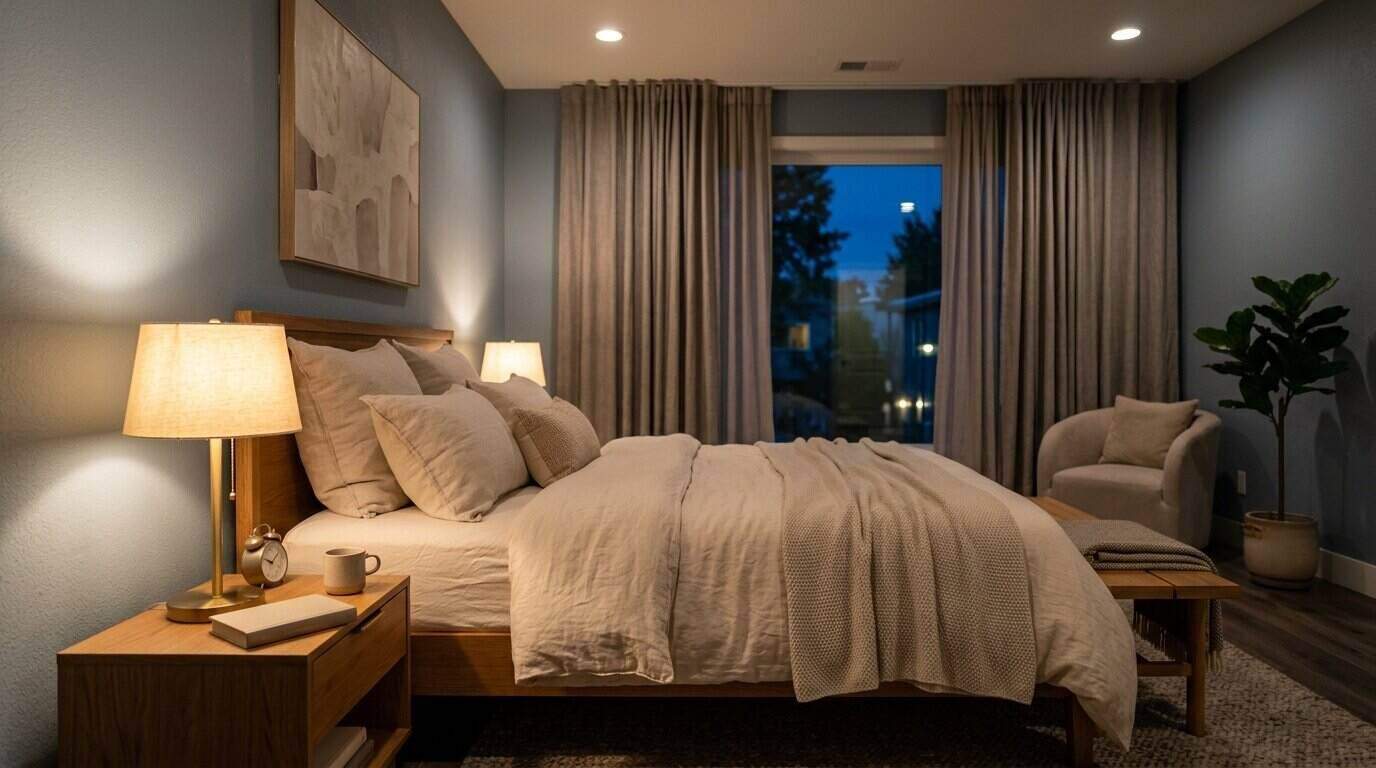 The environment plays a major role when it comes to our feelings. If there is too much messiness or light or the bedroom isn’t comfy enough, it can be hard for you to have a good sleep in it. While interior design can’t solve all the problems related to sleep, it will help to keep the room nice and cozy.
1-Your bedroom should be a place where you relax.
There can be a variety of uses for a bedroom. This is where one can conduct his or her work, use it for storage, get dressed or engage in other forms of entertainment. However, where there are many different functions taking place in one room, it becomes difficult for one to make it a comfortable place to relax. The main thing in creating a more functional bedroom is to separate it from places of work and entertainment.
2-Good design is not necessarily complex.
Even if the bedroom is a room for relaxation, there is no need for spending an excessive amount of money. All that is necessary may consist of such steps. It includes organizing the space better, making it lighter, changing furniture arrangement, or making the bedding more comfortable.
Choosing a Calming Color Palette
Color is among the most dominant aspects of interior design. The colors chosen to be applied to walls, bedding, curtains, and others influence the ambience of the bedroom.
1-Consider Softer Tones
Pale colors may help establish peace within the room. This does not mean that all soothing bedrooms should use neutral colors. Some people would prefer warmer tones while some people would prefer cooler tones.
2-Use Accent Colors Carefully
Accent colors can be used for personalization without being overpowering. The use of a room in bold colors does not mean covering all the colors on the walls. It can be done with pillows, artwork, small decorative items and other temporary decorations. This will make it easier to alter the way your bedroom looks, but not majorly redesign it.
Developing a Better Bedroom Lighting System
A good lighting system may play a dramatic role in a room.
- Take into account soft evening lights to create a cozy atmosphere in your room.
Sometimes, when it comes to sleeping time, the light from the light fixture does not suit you very well. Warm lights, such as a bedside lamp, wall lights or other diffuse lights can help to set a warm tone at night. The use of different lighting levels also helps to increase the flexibility of the room during the day. Rather than a single light being the brightest and the best, layered lights allow home owners to have a more comfortable atmosphere when evening comes.
Choosing Comfortable Bedroom Furniture
Furniture is part of creating and functioning of the room.
1-Place Bed Thoughtfully
A space that is open will make the room feel more organized and less restricted. Doors and windows, storage spaces and the movement of the room should also be considered when determining the position of the bed.
2-Reducing Visual Clutter
Clutter is more than a storage issue. It can also impact the ambiance of a space.
3-Provide Every Item a Home
A room with clutter all over the floor, books scattered around, gadgets placed here and there and personal stuff left about is likely to be a stressor. Drawers, bins, shelves and bedside drawers are great options for storing the various items. The trick is not to make the room look barren. It’s about making sufficient structures so the eye doesn’t keep going back to unfinished work.
4-Make Your Bedside Space Less Cluttered
It is very tempting to put everything from chargers, papers, bottles, books, and other stuff on the bedside table. Having just basics around could make the area seem tidier and more focused. A lamp, a book and a small decorative piece can be sufficient to make an effective and tranquil bedside setting.
Take it Inside through Natural Elements!
Interior spaces can be brought together by using the elements in a natural way.
1-Add Plants Carefully
The addition of some plants in a bedroom could provide some nature and color. Small plants would be perfect if you want to decorate a room where space is limited. But the types and location of plants should be determined by the lighting, maintenance and owner’s taste of the room.
2-Use Natural Textures
The natural components, such as wood, cotton, linen, cloth, and other components will assist in making your bedroom cozy. You can also incorporate some variety of textures in your bedroom without being very sophisticated with the various designs and patterns. Nonetheless, having a comfortable bed, soft bedding, a wooden bedside table, and a wicker basket will suffice.
Technological Comfort in Your Bedroom
Nowadays, there is a tendency to have a lot of technology in the bedrooms such as phones, tablets, TV, chargers, etc. Even though technology helps in some cases, having too many gadgets makes it hard to divide time for activities and sleep.
- As much as possible, do not let entertainment and other items intertwine.
Separating entertainment facilities, workstations, and the sleeping area, when enough space is available, can help to make the sleeping area more focused on rest. Even if this is not an option for smaller bedrooms, furniture placement can still help to divide areas for various activities.
Selection of Bedding and Comfort Items
Soft furnishings have both functional as well as aesthetic purposes.
1-Focus on Comfort
Blankets and pillows may serve as decorations in the room.
2-Keep Patterns Balanced
This brings variation and yet a unified look. Clean up and tidy surfaces such as the bedside table and making the bed will help maintain the ambiance established by the original design.
Conclusion
It is not necessary for you to have expensive renovations or beds to create a relaxing bedroom environment. Interior design should be something that makes your bedroom a comfortable, organized and light-filled room. The ideal design should be one where the people who live there find it useful. If comfort and functionality go together, then the bedroom can do more than just become an aesthetic part of the house. It can actually become a ritual to indicate that it is time to relax.