

Interior Design and the Role of Professional Movers in Creating a Beautiful Home
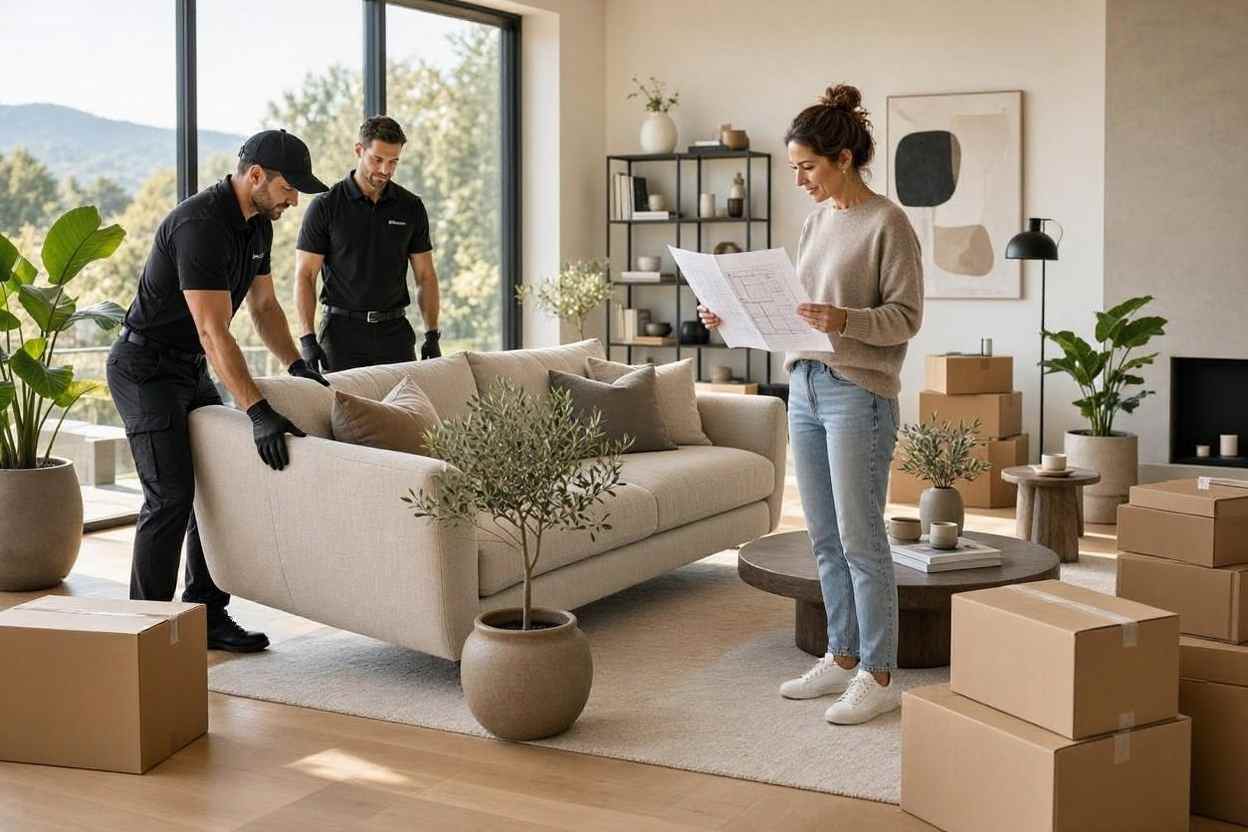 Moving into a new home offers an exciting opportunity to create a comfortable and visually appealing living space. It allows homeowners to explore different interior design styles, experiment with furniture arrangements, and introduce decorative elements that reflect their personalities. However, achieving a well-designed home requires more than selecting attractive furniture and matching colours. It also involves careful planning, organisation, and the safe transportation of household belongings.
Working with professional movers Cincinnati from a moving company can make this process more manageable. Their assistance allows homeowners to concentrate on designing their interiors rather than worrying about lifting heavy furniture, transporting fragile decorations, and organising household items. When moving services and interior design planning work together, creating a functional and welcoming home becomes a much smoother experience.
Planning Your Interior Design Before Moving
Interior design should ideally begin before moving day. Understanding the layout of a new property helps homeowners determine which furniture pieces to keep, replace, or remove. Measuring rooms, doorways, and available floor space can prevent unnecessary complications when arranging furniture.
Creating a floor plan is a practical way to visualise how different elements will fit together. Homeowners can identify suitable locations for sofas, dining tables, cabinets, and other large items. This approach also helps establish clear walking paths and ensures that rooms do not become overcrowded. A thoughtfully arranged interior makes everyday activities more comfortable while maintaining an attractive appearance.
Choosing a consistent design style can also simplify the moving process. Whether someone prefers modern, minimalist, traditional, or Scandinavian interiors, having a clear direction makes it easier to decide which belongings complement the new environment. Existing furniture can often be incorporated into a fresh design through creative arrangements, updated accessories, and suitable colour combinations.
Decluttering is another important part of preparing for a move. Over time, households accumulate furniture, decorations, and personal belongings that may no longer serve a practical purpose. Sorting these items before relocation reduces the number of boxes and creates additional opportunities for better organisation. Unwanted belongings can be donated, sold, or responsibly recycled.
Homeowners should also consider the lighting conditions in their new property. Natural light influences how colours, furniture, and decorative materials appear throughout the day. Rooms with limited sunlight may benefit from lighter colour schemes, mirrors, and carefully positioned lamps. Understanding these conditions before moving helps homeowners make informed design decisions without purchasing unnecessary items.
Preparing a room-by-room inventory can further improve organisation. Labelling furniture and boxes according to their intended locations gives movers clear instructions and reduces confusion during unloading. This simple preparation can save considerable time when setting up the new interior.
How Professional Movers Support Interior Design Goals
Furniture and decorative items are essential components of interior design. Many homeowners invest considerable time and money in selecting pieces that complement their preferred style. Protecting these belongings during relocation is therefore an important part of maintaining the overall design vision.
Hiring professional movers from a moving company provides access to people who understand how to handle different household items. Depending on the services available, movers can assist with packing, loading, transportation, unloading, and furniture assembly. Their experience can be particularly helpful when relocating large cabinets, delicate glass tables, artwork, mirrors, and upholstered furniture.
Professional moving teams typically use protective materials such as furniture blankets, packing paper, and suitable containers. These materials help reduce the risk of scratches, dents, and other damage during transportation. Proper handling is especially important for valuable furniture, antiques, and decorative pieces that may be difficult to replace.
Movers can also assist with positioning furniture according to a predetermined floor plan. Instead of leaving every item in a single room, homeowners can provide instructions about where each piece belongs. This allows the interior arrangement to take shape immediately and reduces the need to move heavy furniture repeatedly.
For properties with narrow hallways, staircases, or limited access points, experienced movers can help identify practical ways to transport bulky belongings. Some furniture may require temporary disassembly before transportation. Reassembling these pieces in their intended rooms can simplify the process and protect surrounding walls and flooring.
Professional assistance also gives homeowners more time to focus on other aspects of interior design. They can coordinate paint colours, organise lighting installations, select window treatments, and prepare decorative accessories while the moving team handles transportation.
Communication plays an important role in achieving successful results. Homeowners should inform their chosen moving company about fragile belongings, unusual furniture dimensions, and specific placement requirements. Discussing available services, pricing, and protection arrangements beforehand can help establish realistic expectations and avoid unnecessary complications.
Creating a Functional and Stylish Home After Moving
Once the furniture and household belongings have arrived, homeowners can begin refining their interior design. Starting with essential living areas makes the transition more comfortable. Bedrooms, kitchens, and living rooms generally deserve early attention because they support everyday activities.
Furniture placement should balance visual appeal with functionality. A living room, for example, should encourage conversation while providing enough space for comfortable movement. Bedrooms should promote relaxation through thoughtful lighting, practical storage, and uncluttered surroundings. Dining areas should accommodate household members without restricting access to nearby rooms.
Storage solutions are particularly valuable when establishing an organised home. Shelving units, multifunctional furniture, storage baskets, and built-in cabinets can help maximise available space. Keeping frequently used belongings within easy reach improves convenience while reducing visible clutter.
Decorative elements can gradually bring personality into each room. Cushions, rugs, curtains, artwork, and indoor plants introduce texture, colour, and character without requiring major renovations. Homeowners can experiment with different combinations until they achieve an appearance that feels natural and inviting.
Lighting should also receive careful attention. Combining ceiling lights, floor lamps, and task lighting creates a flexible environment suitable for different activities. Warm lighting can make relaxation areas feel welcoming, while brighter lighting supports cooking, reading, and working from home.
It is equally important to avoid rushing into unnecessary purchases. Living in a new property for several weeks can reveal practical needs that were not obvious during the planning stage. Homeowners may discover that certain rooms require additional storage, different furniture arrangements, or improved lighting. Making gradual adjustments often leads to more practical and satisfying design choices.
Sustainability can also influence interior design decisions. Reusing existing furniture, restoring older pieces, and choosing durable household accessories can reduce waste and unnecessary expenses. A beautiful home does not always require entirely new furnishings. Sometimes, rearranging familiar belongings is enough to create a refreshed atmosphere.
Ultimately, interior design and professional moving services complement each other by supporting an organised transition into a new living environment. Careful preparation, reliable transportation, and thoughtful furniture placement allow homeowners to establish a space that reflects their lifestyle. With the right approach, moving becomes an opportunity to create a home that is comfortable, functional, stylish, and enjoyable for years to come.