Statement Walls with Style: How Step-and-Repeat Backdrops Are Redefining NYC Interiors

modern interior design backdrops

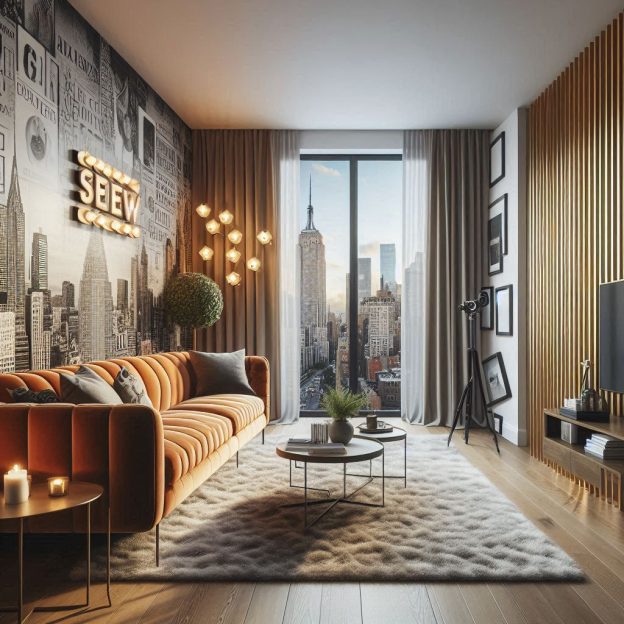
Custom prints are no longer reserved for red carpets and brand activations. They’ve found their way into homes, transforming blank walls into bold expressions of personality and style. In New York City, where space is precious and design choices speak volumes, step-and-repeat backdrops are emerging as unexpected heroes of interior design.

Step and Repeat NYC installations from Industri Designs are turning heads for their versatility and visual impact. These banners, traditionally used for events, are now being reimagined as permanent fixtures in living rooms, entryways, and home offices. With same-day service available, they’re also perfect for last-minute makeovers or staging projects that need a quick but striking upgrade.

Why Step-and-Repeat Works at Home

There’s something magnetic about repetition in design. It draws the eye, creates rhythm, and adds a sense of cohesion to a space. Step-and-repeat backdrops use this principle to great effect. Whether it’s a logo, monogram, or custom pattern, the repeated motif becomes a visual anchor that elevates the room’s aesthetic.

In smaller NYC apartments, these backdrops offer a clever way to define zones. A printed wall behind a desk instantly turns a corner into a home office. A branded pattern in the foyer sets the tone for the rest of the home. Even in larger spaces, they can serve as conversation starters or artistic statements.

Designing the Perfect Backdrop

Choosing the right design is key to making the backdrop feel intentional. Start by considering the room’s existing palette. If your furniture leans neutral, a bold print can add contrast. If the space already has strong colors, opt for a more subdued pattern that complements rather than competes.

Material matters too. Industri Designs offers options like matte vinyl, which reduces glare and blends seamlessly with home lighting. Fabric prints add softness and texture, ideal for cozy corners or reading nooks. For high-traffic areas, durable finishes ensure the backdrop stays pristine over time.

Tips for Placement

  • Entryways: Use a vertical banner to create a dramatic first impression.
  • Living Rooms: Frame the backdrop behind a sofa or entertainment unit for balance.
  • Home Offices: Position it behind your desk to create a professional Zoom background.

Lighting and Layering

Lighting can make or break your backdrop’s impact. Natural light enhances fabric textures, while spotlights can highlight specific elements of the print. Consider adding LED strips or sconces to frame the banner and give it a gallery-like presence.

Layering is another way to integrate the backdrop into your decor. Add floating shelves, plants, or framed art in front of the banner to create depth. This turns the print into part of a larger composition rather than a standalone feature.

Fast Turnaround, Big Results

One of the biggest advantages of working with Industri Designs is speed. Their same-day service means you can go from concept to installation in hours. Whether you’re prepping for a party, staging a property, or just craving a fresh look, their team delivers with precision and style.

Customization is also seamless. You can upload your own design or collaborate with their experts to create something unique. From fonts to colors to layout, every detail is tailored to your vision.

From Print to Personality

Step-and-repeat backdrops are more than decorative pieces. They’re reflections of identity, creativity, and intention. In a city like New York, where every square foot counts, they offer a way to make your space feel truly yours.

Whether you’re a minimalist or a maximalist, a bold print lover or a fan of subtle textures, there’s a backdrop that fits your style. And with the flexibility and speed of Industri Designs, bringing that vision to life has never been easier.

READ ALSO: Why Hiring a Professional Interior Designer with DMC Travel Expertise is a Smart Decision?

Final Thoughts

Interior design is about storytelling. With step-and-repeat backdrops, you’re not just decorating—you’re making a statement. So go ahead, print your personality on your walls. Let your home speak volumes.

Creative Ways to Use Snack Box Hampers as Table Centerpieces

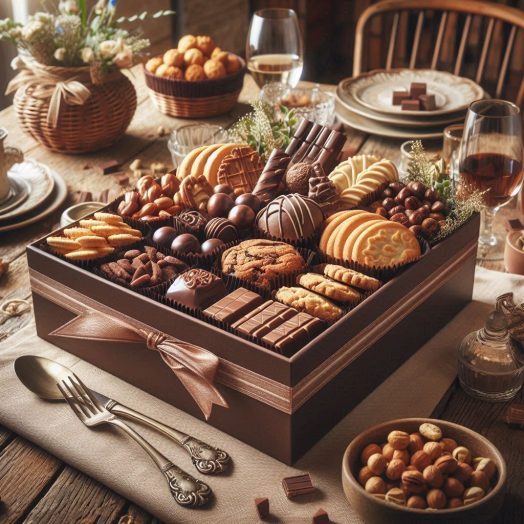
beautifully arranged snack box hamperBeautiful tablescapes often start with a single thoughtful detail. A well-chosen centerpiece can transform a simple table into a warm and inviting space. Among the latest décor trends, snack box hampers are stealing the spotlight. They combine style, practicality, and personality, making them an ideal choice for parties, kitchen islands, and guest rooms.

The magic lies in versatility. A thoughtfully arranged hamper can serve both as an elegant decorative piece and a delightful treat station for your guests. Platforms like Snack Box Hampers offer beautifully curated assortments perfect for any occasion. These hampers feature charming packaging and a variety of snacks, making them an excellent starting point for crafting table centerpieces that feel both stylish and functional.

Why Snack Hampers Work as Centerpieces

Snack hampers bring personality to your décor. Unlike traditional floral centerpieces, they offer a mix of textures, colors, and shapes that instantly add character to any table setting. They fit seamlessly into different themes and styles, whether you’re hosting a casual gathering, a cozy brunch, or a formal celebration.

  • Multi-purpose décor: Guests can admire them visually while enjoying the treats inside.
  • Easy customization: Personalize hampers to match your event’s theme or color palette.
  • Functional elegance: They double as a snack station and decoration, saving both time and space.

Stylish Centerpiece Ideas for Different Occasions

Every gathering tells a story, and your centerpiece should reflect that. Whether you want something chic, rustic, or playful, snack box hampers can adapt beautifully to different settings.

1. Parties and Celebrations

Bring your party table to life. Place a vibrant hamper filled with chocolates, cookies, and savory treats at the center. Add fairy lights or small candles around it for a cozy, festive feel. Choose hampers in bold colors or metallic finishes to make them stand out against your table linen.

2. Guest Rooms and Hospitality Corners

Surprise your guests with warmth and care. Setting a snack box hamper on a nightstand or dresser creates an instant sense of welcome. Fill it with miniature crackers, dried fruits, chocolates, and a handwritten note. Guests will appreciate the thoughtfulness and charm it adds to their stay.

3. Kitchen Islands and Everyday Displays

Turn your kitchen into a stylish snacking hub. Place a sleek snack hamper on your kitchen island to create an inviting focal point. Choose designs with clean lines, earthy tones, and fresh packaging for a sophisticated yet relaxed vibe. This works especially well when entertaining family and friends for brunch or coffee.

Tips for Creating an Eye-Catching Setup

Balance, texture, and color play an essential role in styling your hamper centerpiece. A visually pleasing arrangement enhances both its decorative and functional appeal.

  • Choose the right size: A smaller hamper works better for intimate dinners, while larger ones suit parties and buffet-style layouts.
  • Layer your elements: Surround the hamper with candles, greenery, or seasonal décor for added depth.
  • Play with height: Combine taller snack boxes with low-profile treats to create a dynamic visual flow.
  • Add personal touches: Tie a ribbon, add a small chalkboard tag, or include flowers that match your theme.

Why This Trend is Here to Stay

People are embracing décor that combines beauty with purpose. Snack box hampers embody that idea perfectly. They offer a warm, personal touch while providing practical use. With evolving designs and endless customization options, they’re becoming a timeless choice for modern homes and events alike.

READ ALSO: The Power of Minimalist Branding in Interior Design: Less is More

Final Thoughts

Snack box hampers go beyond being just gifts. They transform into creative, stylish, and functional centerpieces that elevate any space. Whether you’re hosting an intimate dinner, planning a lively celebration, or welcoming overnight guests, these hampers add charm and personality to your décor. With the right setup, they can turn an ordinary table into a stunning visual experience, all while offering delightful treats for everyone to enjoy.

Interior Design and Digital Flow: How Web Aesthetics Reflect Well-Lit Living Spaces

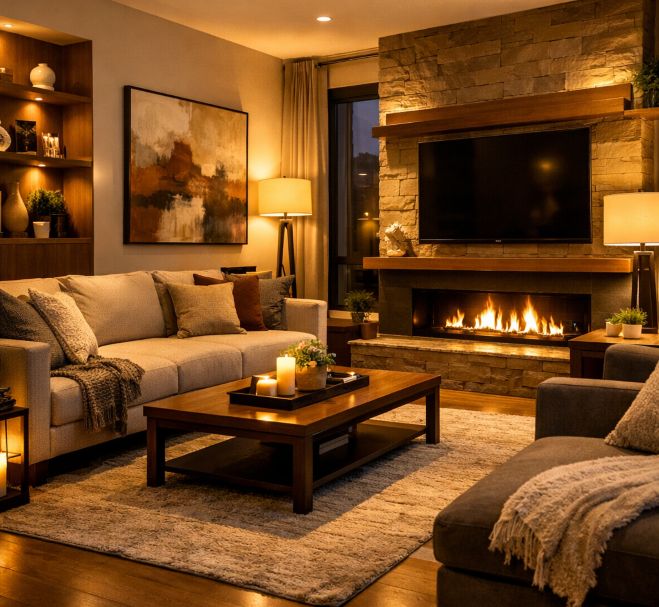
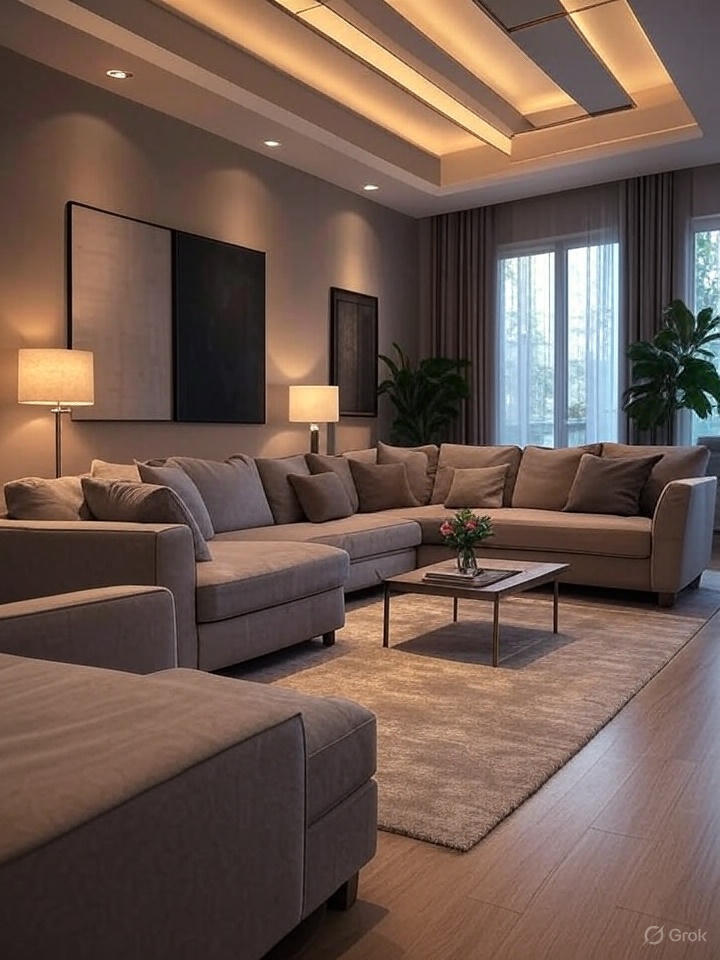
Soft-lit modern living roomLighting and layout impact how people experience both physical rooms and websites. Interior design depends on visual balance, proper space usage, and how light interacts with objects. These same elements play a growing role in web design. Clear structure, intuitive flow, and mood-setting color choices all contribute to how a visitor feels while browsing a site.

Good design decisions—online and offline—create comfort, clarity, and emotional appeal. That’s why companies like Eschmedia apply interior design concepts to their website builds. Whether it’s natural lighting in a home or strategic white space on a webpage, these details make the environment feel more human. Eschmedia combines clean layout, soft color palettes, and logical navigation to deliver websites that feel as thoughtful as a well-designed living space.

Why Balance and Symmetry Matter

Balance helps both rooms and digital pages feel more inviting. In home design, symmetrical furniture placement offers stability. A centered coffee table or matching side lamps create order. The same idea applies to web layouts. Well-aligned elements—headers, images, menus—guide the eye and reduce mental load.

Asymmetry, when used wisely, adds creative energy. Designers may purposely shift elements to one side to create visual tension. Eschmedia uses this technique online to draw attention to key content, just like a spotlight might highlight a feature wall in a living room.

Color Affects Mood Instantly

Colors guide emotion and attention more than any other design choice. In homes, warm tones like amber, gold, and cream provide a cozy feeling, while cool tones like blue and gray bring calm. On websites, these same choices direct how users feel and interact.

Web designers use color to influence behavior, just like lighting designers do in physical spaces. A bright CTA button or a soft background tone helps users focus. When these colors mimic real-life environments, people feel more comfortable staying longer on the page.

Lighting and Visual Hierarchy Work Together

Lighting in interiors sets focus, depth, and rhythm—and so does visual hierarchy in web design. Layered lighting plans help define different zones within a room. Similarly, web designers create sections with varied text sizes, shadows, and spacing to guide users through content smoothly.

Bright spots in web design act like accent lights in a room. They highlight important buttons or images. Eschmedia builds digital pages that naturally “light up” areas of interest, keeping users engaged through thoughtful emphasis and balance.

To learn more about designing a good lighting system for your home, read also: How to Design a Good Lighting System

Texture and Depth Create Comfort

Texture brings warmth and realism into both interior spaces and web interfaces. In a living room, textures come from rugs, fabrics, wood grains, or stone finishes. Online, depth is created using layered backgrounds, image overlays, shadows, and gradients.

Well-applied texture on a website keeps it from feeling flat. Eschmedia adds subtle visual layers that simulate the depth of real materials, helping users feel grounded in the digital space. It’s a sensory illusion that enhances both style and usability.

Spacing and Flow Improve Usability

Open space isn’t wasted—it’s essential for usability and relaxation. Designers leave space around furniture for movement. On a website, spacing between elements improves readability and touch navigation. Clutter causes stress. Whether it’s a crowded corner or a crammed homepage, less breathing room means less user comfort.

Consistent spacing makes browsing feel effortless. Eschmedia uses spacing patterns that echo smart room layouts—where everything has its place, and nothing competes for attention. That structure helps users move naturally from section to section, just like walking through a well-planned home.

How Eschmedia Applies Interior Design Thinking to Web Projects

Eschmedia designs websites that feel as intuitive as stepping into a well-lit room. They use consistent color schemes, layout grids, and soft transitions to create a calm and confident user journey. Their attention to spatial flow and visual balance mirrors what interior designers aim for when planning physical environments.

Their work supports both beauty and business goals. By applying interior principles—like focal points, flow, and simplicity—they build websites that attract attention and drive action. Whether it’s a portfolio site or a commercial page, their design language helps brands stand out while staying grounded in user comfort.

Your Website Deserves the Same Care as Your Living Space

A beautiful, well-lit home creates peace and connection. A well-designed website does the same. It welcomes, informs, and leaves a lasting impression. Thinking like an interior designer when building digital spaces means understanding how color, light, layout, and rhythm impact emotion.

If your business values visual impact and clear messaging, combining interior insight with strong web strategy is the next step. Lighting companies, home decorators, and lifestyle brands can benefit from design that speaks the same language online and offline.

Designing a Dog-Friendly Home: Pomsky-Inspired Interior Tips That Blend Style and Function

pomskyPomskies are known for their playful energy and charming personalities, making them a joy to have at home. These small yet spirited dogs bring life into any room, but they also come with unique needs. A home that is both stylish and dog-friendly ensures your Pomsky feels comfortable while you maintain a space you can be proud of. From furniture choices to color palettes, the right design can make all the difference.

One of the best ways to start is by learning from experienced owners of Pomsky Puppies. They often create spaces that balance pet care with elegant design. This means choosing durable materials, planning pet-safe layouts, and adding stylish touches that reflect both the owner’s taste and the Pomsky’s personality. Your home can be fashionable without sacrificing functionality.

Choose Durable and Pet-Safe Materials

Pomskies are active and curious, so furniture and surfaces need to handle their lifestyle. Go for stain-resistant fabrics like microfiber or tightly woven canvas for sofas and chairs. Avoid delicate materials like silk that can snag easily. Leather can be a good choice since it resists fur buildup and is easy to wipe clean, though it may show scratches over time.

For flooring, opt for options that resist scratches and moisture. Laminate, tile, and luxury vinyl plank are popular picks. If you prefer rugs, choose low-pile designs that are easy to vacuum and won’t trap too much fur.

Read more on flooring options here: How Hardwood Flooring Elevates Interior Design

Pick a Pomsky-Friendly Color Palette

Colors can do more than set the mood—they can make cleaning easier. If your Pomsky has light fur, mid-tone colors hide shedding better than dark or white shades. Patterns can also help camouflage pet hair and small stains. Soft neutrals paired with accent colors inspired by nature—like greens and blues—create a calming atmosphere for both humans and pets.

Plan Functional Spaces for Your Pomsky

Every Pomsky needs a spot they can call their own. A cozy corner with a plush bed or a small crate can be both functional and stylish. Incorporate their space into your overall design by choosing beds and accessories that match your decor. Raised feeding stations can help with posture and keep food areas cleaner.

Consider storage solutions that keep pet supplies organized yet accessible. Built-in cabinets or baskets for toys, leashes, and grooming tools keep the home looking neat while ensuring everything is within reach.

Incorporate Pet-Safe Plants and Decor

Houseplants can brighten a room but choose ones that are safe for dogs. Some safe options include spider plants, Boston ferns, and areca palms. Avoid toxic varieties like lilies and philodendrons. Decorative items should be sturdy and placed out of reach to prevent accidents.

Embrace Easy-to-Clean Design Elements

Pomskies love to explore, which sometimes means muddy paws or accidental spills. Slipcovers on sofas and washable cushion covers make cleanup faster. Wall paint with a satin or semi-gloss finish allows for easy wiping without damaging the surface. Entryway mats can trap dirt before it spreads through the house.

Blend Style with Function

Designing a home for a Pomsky doesn’t mean giving up on elegance. Choose stylish furniture with rounded edges to prevent injury, and opt for multi-purpose pieces like ottomans with hidden storage. Use decorative baskets for toy storage, or select dog beds that resemble chic lounge chairs. Every piece can serve both form and function.

Lighting and Ambience

Good lighting benefits both you and your Pomsky. Natural light creates a cheerful environment, while layered lighting with lamps and spotlights helps set a relaxing mood. Dimmer switches let you adjust brightness for evening calm, which can help settle your Pomsky after an active day.

Final Touches That Make a Difference

The little details tie everything together. Matching collars and leash hooks near the door can add personality and organization. A designated grooming station keeps fur maintenance manageable. Personalized name tags and pet portraits can be charming additions to your decor.

Conclusion

Creating a Pomsky-inspired home is about harmony between design and practicality. By choosing the right materials, colors, and layouts, you can have a space that reflects your style while keeping your Pomsky safe and happy. Thoughtful design not only makes life easier but also strengthens the bond you share with your pet.

The Power of Minimalist Branding in Interior Design: Less is More

minimalist interior design

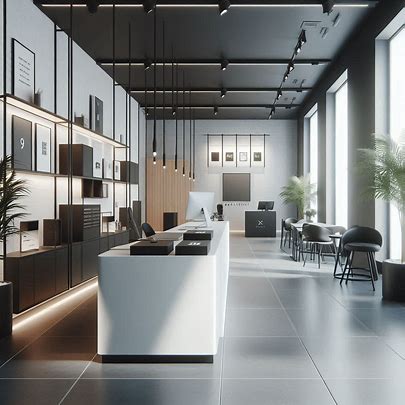
Minimalism isn’t just a design trend—it’s a philosophy influencing architecture, fashion, and even branding. Interior spaces with minimalist principles exude sophistication and clarity, proving that simplicity can be stylish and functional.

Graphic design and interior design share common principles, such as clean lines, thoughtful typography, and strategic use of color. These elements create a visually appealing space that speaks volumes without overwhelming the senses. Industri Designs incorporates minimalist branding ideas, making spaces look modern, professional, and inviting.

What Defines Minimalist Interior Design?

At its core, minimalist interior design is about stripping away excess to focus on essentials. It emphasizes functionality, balance, and harmony. Every piece of furniture, color, and decorative element serves a purpose, contributing to a seamless, uncluttered look.

Key Elements of Minimalist Interiors

Minimalist spaces rely on several fundamental design principles:

1. Clean Lines and Open Spaces

Furniture and architectural elements follow straight, uninterrupted lines. Open layouts allow natural light to enhance the simplicity of the design.

2. Neutral Color Palettes

Whites, grays, and earth tones dominate minimalist spaces. These hues create a calming atmosphere while making the room feel spacious.

3. Functional Typography

Branding in interiors often includes subtle typography on walls, signage, or decorative elements. Simple, sans-serif fonts complement the minimalist aesthetic without drawing too much attention.

4. Thoughtful Use of Textures

Designers incorporate textures like wood, linen, and stone to prevent spaces from feeling too sterile. These natural elements add warmth and depth.

The Influence of Graphic Design on Minimalist Interiors

Graphic design and interior design overlap in many ways. A well-branded space takes cues from minimalist design principles, ensuring that every visual element aligns with a brand’s identity.

Typography as a Design Element

Fonts communicate personality and tone. Many minimalist interiors use sleek, modern fonts for signage, wall art, or even custom furniture engravings.

Strategic Color Use

Minimalist branding relies on a limited but effective color palette. Similarly, minimalist interiors use color sparingly to highlight key areas, creating a sense of order and purpose.

Negative Space Matters

Just as graphic design embraces negative space to improve readability and focus, minimalist interiors use empty areas to maintain a clean, uncluttered look.

How to Implement Minimalist Branding in Interior Design

Interior design professionals advise small but impactful changes to make a difference for businesses or homeowners looking to integrate minimalist branding into their interiors.

Use Simple and Bold Branding Elements

Logos, signage, and wall art should reflect clean and modern aesthetics. Avoid ornate fonts or overly detailed graphics.

Keep Spaces Uncluttered

Minimalist interiors benefit from the carefully chosen decor. Instead of filling a space with objects, select a few statement pieces that align with the brand’s identity.

Incorporate Lighting to Enhance Design

Lighting plays a crucial role in minimalist branding. Soft, ambient lighting enhances the mood, while accent lighting draws attention to branded elements like signage or feature walls.

Why Less is More in Interior Branding

Minimalist interiors create a sense of calm, making them ideal for modern businesses, homes, and public spaces. A well-designed minimalist space doesn’t just look good—it improves functionality, enhances branding, and makes a lasting impression.

By applying minimalist graphic design principles to interiors, brands can communicate clarity, professionalism, and elegance. Less truly is more when it comes to creating visually appealing and purposeful spaces.

Transforming Spaces: How Hardwood Flooring Elevates Interior Design

hardwood flooring types

Hardwood flooring has been a timeless choice for homeowners and designers alike. It brings warmth, elegance, and durability to any space, instantly elevating the aesthetics of a room. The right flooring choice can transform an ordinary interior into a sophisticated and inviting space.

When choosing hardwood floors, location and style matter. Whether it’s a classic oak finish or a modern gray-stained plank, the selection defines the room’s character. For those in flooring Austin, a wide range of high-quality hardwood options are available to complement diverse interior designs.

The Elegance of Hardwood Flooring

Few flooring options match the elegance of hardwood. It creates a seamless and polished look, making spaces appear more refined. The natural grains and patterns add depth and uniqueness to each plank, ensuring that no two floors are identical.

Types of Hardwood Flooring

The choice of hardwood influences both aesthetics and functionality. Some of the most popular types include:

Solid Hardwood

Made from a single piece of wood, solid hardwood is durable and long-lasting. It can be refinished multiple times, making it a great home investment.

Engineered Hardwood

Constructed from layers of wood, engineered hardwood is more resistant to moisture and temperature changes. It’s an excellent option for basements and high-humidity areas.

Finishes That Enhance Style

Hardwood finishes impact both appearance and durability. Matte and satin finishes create a modern, understated look, while glossy finishes reflect light, making rooms feel brighter and more spacious. Distressed and hand-scraped finishes add character and a rustic charm.

Layouts That Transform a Room

Flooring layouts significantly influence a room’s visual appeal. Herringbone and chevron patterns create a sense of movement, while wide planks offer a more open and expansive feel. Traditional straight planks remain a popular choice for a clean and classic look.

Why Hardwood Flooring Stands Out

Beyond aesthetics, hardwood is a practical choice. It’s easy to clean, hypoallergenic and increases property value. Unlike carpets, which trap dust and allergens, hardwood floors contribute to better indoor air quality. Their durability ensures they last for decades with proper care.

READ ALSO: How to Design a Good Lighting System

Making the Right Choice

Selecting the perfect hardwood flooring depends on lifestyle, design preferences, and maintenance considerations. Lighter woods like maple and ash brighten a room, while darker woods like walnut and mahogany add a touch of luxury. Whatever the choice, hardwood flooring remains a timeless and stylish investment.

How to Choose the Perfect iPhone 15 Case for the Minimalist

iphone case for the minimalist

A well-designed phone case is more than just protection—it’s an extension of your style. Whether you prefer a sleek, modern look or a vintage-inspired workspace, the right iPhone 15 case can enhance your surroundings while keeping your device safe.

Blending Tech with Interior Design

Your iPhone is one of the most-used items in your daily life, making its case a small but important part of your overall aesthetic. If you love a clean, minimalist home or a workspace with a cozy, nostalgic feel, you’ll want an accessory that aligns with that atmosphere. For those looking to balance style and protection, Buy iPhone 15 case options come in various materials and finishes that seamlessly fit different interiors.

Minimalist Homes: Sleek and Simple

Minimalist spaces focus on clean lines, neutral tones, and uncluttered surfaces. A clear, slim, or matte-finish iPhone 15 case complements this look without disrupting the harmony of your space. Silicone or ultra-thin cases in monochrome colors, such as white, beige, or soft gray, blend effortlessly with a modern, minimal aesthetic.

Modern Luxury: Metallic and Leather Accents

A contemporary home with polished surfaces and metallic finishes pairs well with cases that feature leather, aluminum, or subtle metallic details. If your furniture includes gold, silver, or brushed metal elements, a case with matching trim or a deep, sophisticated color like navy or charcoal will complete the look.

Scandinavian Aesthetic: Warm and Textured

Scandinavian design is all about warmth, light, and natural materials. Think wooden furniture, soft textiles, and earthy tones. A wood-grain or fabric-textured iPhone case can bring your device the same cozy yet refined feel. Soft pastels, muted greens, or warm browns will blend beautifully into a Nordic-inspired space.

Vintage-Inspired Workspaces: Classic and Elegant

A vintage-inspired iPhone case can enhance the charm if your home office is filled with antique furniture, rich wooden tones, and classic décor. Leather folio cases, deep burgundy or olive green hues, and distressed textures can complement a space filled with history and personality.

Bohemian and Artistic Spaces: Bold and Expressive

Bohemian interiors thrive on creativity, color, and personal expression. If your space features eclectic décor, vibrant patterns, and artistic touches, an iPhone case with unique designs—such as abstract prints, handcrafted details, or textured finishes—can mirror your artistic flair.

Choosing the Right Material for Style and Durability

Different materials impact both the aesthetic and functionality of an iPhone case.

  • Silicone & TPU: Best for minimalist and modern interiors. Soft, flexible, and shock-absorbent.
  • Leather & Vegan Leather: Ideal for luxury, vintage, and Scandinavian aesthetics. Offers a sophisticated, timeless look.
  • Wood & Fabric: Perfect for warm, natural, and artistic spaces. Provides texture and a unique touch.
  • Metal & Carbon Fiber: Great for a high-tech, sleek, and industrial feel. Adds a modern edge to your phone.

Final Thoughts: A Small Detail with a Big Impact

The perfect iPhone 15 case does more than protect—it complements your lifestyle and surroundings. Whether you prefer the simplicity of minimalism, the elegance of vintage charm, or the creativity of a bohemian space, there’s a case that fits your aesthetic. Your phone is part of your daily environment, so choose a case that enhances your style while keeping your device secure.