

How Digital Directories Turn Venue Interiors into a Selling Point for Nightlife Audiences
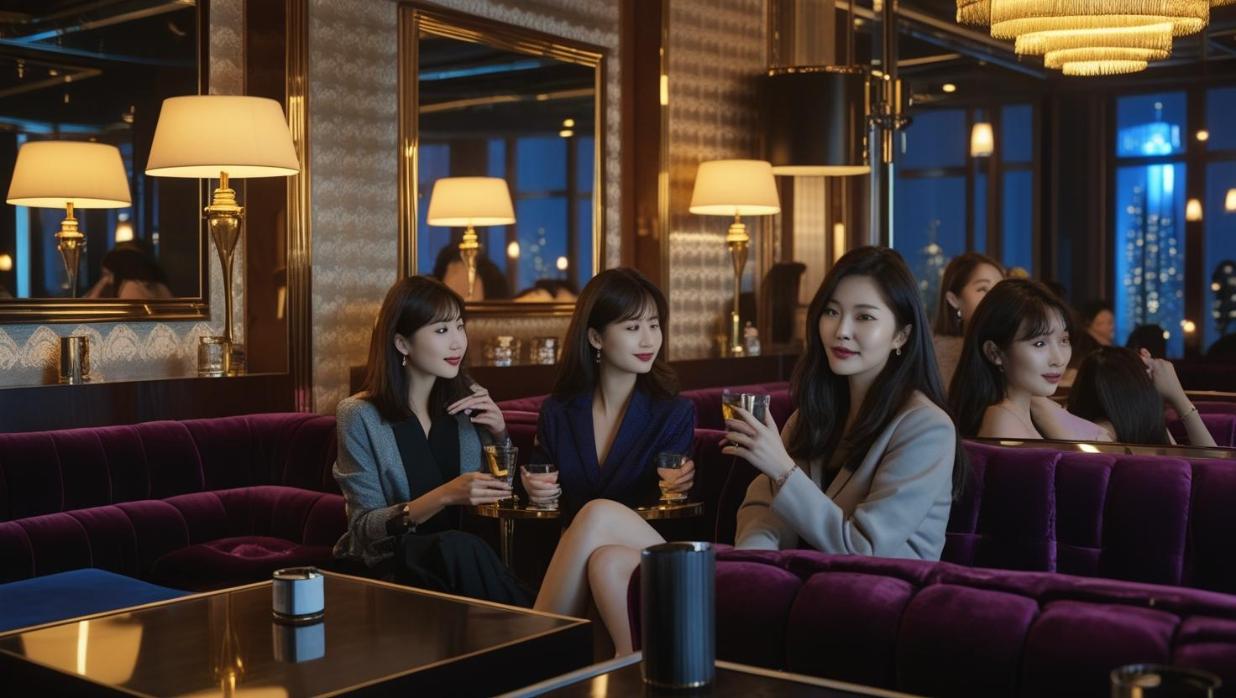
For many consumers desiring vibrant nightlife options, discovery invariably starts with the web. A visit to an adult entertainment aggregator or a general leisure directory, or an entertainment site, confirms that patrons want more than postal codes and hours of operation; they crave a visceral preview of the venue.
The design and arrangement of a place’s physical space has become a key factor in attracting customers.
The Rise of Interior-Centric Listings
Digital directories have transmogrified from simple mapping tools to immersive editorial platforms. Curated galleries of high-resolution images, granular user diaries, and room-by-room thematic annotations empower prospective visitors to inhabit a venue mentally weeks ahead of actual arrival.
Whether it’s the promise of velvet-draped penthouses in a skyline officetel or the allure of a low-lit concrete catacomb boasting vintage neon, the aesthetic framing delivered via screenshots and animations now controls the tacit emotional rating box.
Patrons have mutated into discerning selectors, measuring each prospective space against an individually calibrated bench of taste, social credit, and a portfolio of unarticulated criteria for comfort and originality. Consequently, indexes that foreground architectural intent and mood yield visibly superior results on engagement metrics than bland notices noting hours in Helvetica.
Why Ambience Shapes Perception
The design of an interior is a determining variable in the emotional register of a nightlife establishment. Gentle lighting, careful seating arrangements, and soft materials create a cozy feeling, while bright colors, modern lights, and shiny surfaces create a lively, energetic atmosphere.
Online directories that pair striking imagery with textured, sensory-inflected evaluations prepare guests to measure their own anticipated experiences against the venue’s sensory profile.
When patrons juxtapose several candidates in a navigation view, the decisive lever is frequently the visual and sensory micro-detail—shadow depth, ceiling height, upholstery capsule—rather than the cocktail formulation or cover charge.
This realization has catalyzed investment in the architectural palette, as operators understand that a cultivated mood foregrounds both on-site experience and lifelong algorithmic memory.
ALSO READ: 6 Stunning Interior Design Trends That Pair Perfectly with a Freshly Cleaned Aircon
The Role of Reviews and User Content
Crowdsourced commentary has expanded the magnifying glass on the built environment. Reviewers routinely isolate the nuance of luminaire intensity, chromatic layering, or ergonomic upholstery, producing the semiotic reassurance that precedes physical visits.
Directories that solicit photographic annotations and stereo-narrative assessments foster a virtuous loop wherein aesthetics are both recalibrated and archived, transforming design from mere background into a principal character in the venue’s algorithmic afterlife.
For clubs, bars, and massage-oriented establishments, meticulously designed interiors have transformed into enduring assets. Each online mention—whether a polished Google review or an Instagram story—re-evaluates their worth, returning tangible benefits the moment visitors admire the space in a photograph or a short film.
Interior Design as a Strategic Differentiator
Amid an oversaturated nightlife sector, differentiation feels nearly insurmountable. Yet, establishments that assert a distinctive interior language—be it austere minimalism haloed in soft coals or maximalism dripping in jewel tones—are systematically prioritized in digital maps and recommendation platforms.
Such rooms acquire traction as pilgrimage sites, celebrated not merely for cocktails or dance floors but for the visual poetry they frame.
Consequently, architectural and decorative proportion has mushroomed into an unmistakable strategic asset. Users scrolling through rating platforms frequently permit the image or ambience-sized thumbnail to dictate evening plans.
Ownership teams have, in parallel, begun nominally to equate investments in atmosphere—fixtures, color narrative, tactile sequence—with the more traditional expenditures on headline talent or lessened service.
